
Movies & Film
The Movie Channel shows you the magic of both the silver screen and behind the scenes. Learn how movies are made and why some scripts turn into cinematic masterpieces.

Is He a Disney Prince? List of Royalty vs. Main Men Without a Crown

21 Best Anime Movies Ever: A Highly Subjective List
Who Said That? The Voice Actors Quiz

Debunking Hollywood's Car Explosion Fantasies
7 Times New Technology Was Created to Make a Film
How John Williams Composes So Many Unforgettable Film Scores

15 Movies for Kids That the Whole Family Can Enjoy

13 Cult Classic Movies Across 5 Decades of Cinema

13 Scariest Monsters From Movies, Mythology, and More

The Youngest Oscar Winner and 9 More Young Record-Holders
How the Hays Code Censored Early Hollywood
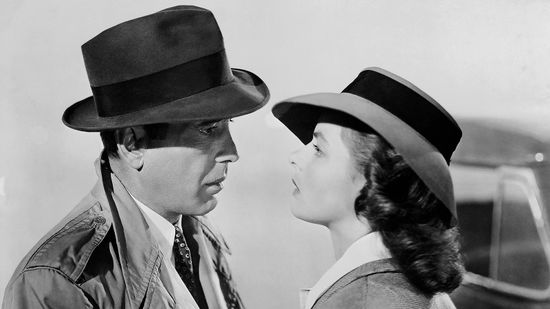
What the Bechdel Test Says About Women in Film

Coming Attractions: Who Picks the Movie Trailers We See?

10 Ways Our Moviegoing Experience Will Change

Why do movie tickets cost so much?
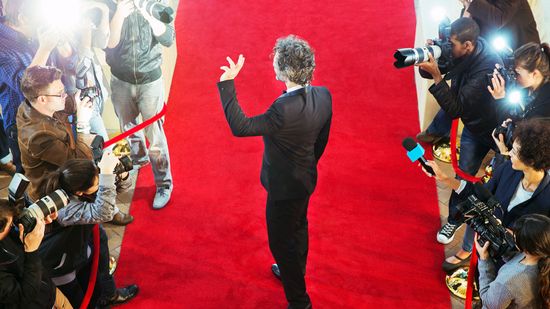
Who's the Most Famous Person in the World? 11 Contenders
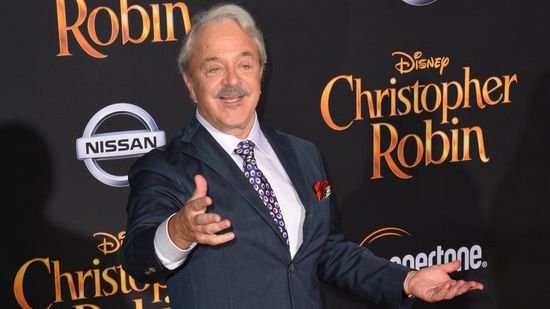
Jim Cummings: The Voice of Millennial Childhoods

Is Libra Celebrities: Stars Who Embody Diplomacy and Grace

If You Hear a Scream in a Movie, It's Probably the Wilhelm Scream
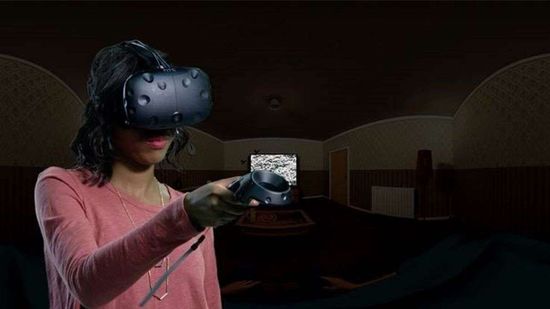
VR Horror Movies: A New Way to Be Scared Out of Your Mind
Learn More / Page 9
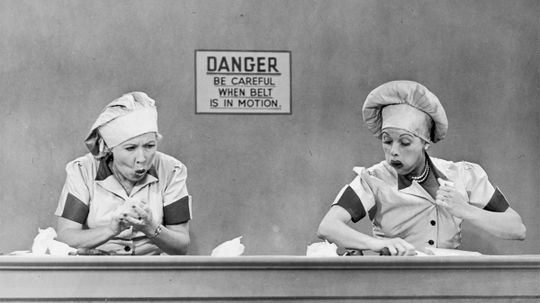
Lucille Ball claimed to have heard music -- and then Morse code -- from the fillings in her teeth. Was she crazy or did her dental fillings actually help her (or someone else) spy during World War II?
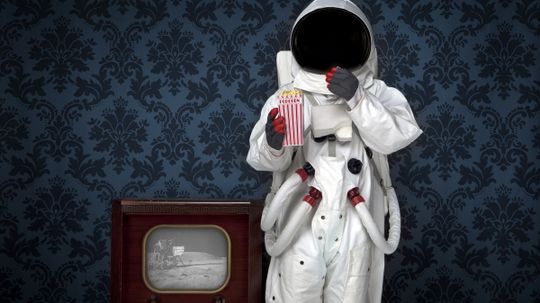
Conspiracy theorists have been debunking the moon landing ever since Neil Armstrong took that first small step. But how (and why) does Stanley Kubrick's "The Shining" fit in to this pervasive urban legend?
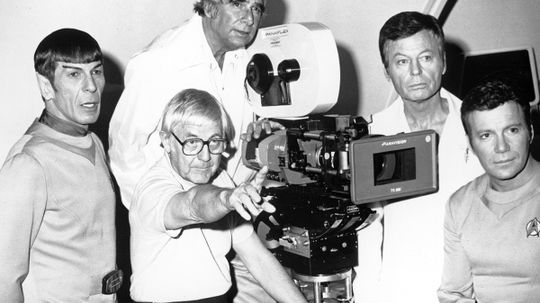
Remember when you got the lyrics to the "Star Trek" theme stuck in your head? Oh, right. There are no lyrics to the "Star Trek" theme -- or are there?
Advertisement

Movies are full of urban myths, and one of the longest-running surrounds one of the shortest films -- a 50-second snippet of a train that sent viewers screaming for their lives. So have historians debunked this cinematic tale?

You know what they say -- deaths come in threes, especially celebrity deaths. But come on ... is there really any truth to this myth?
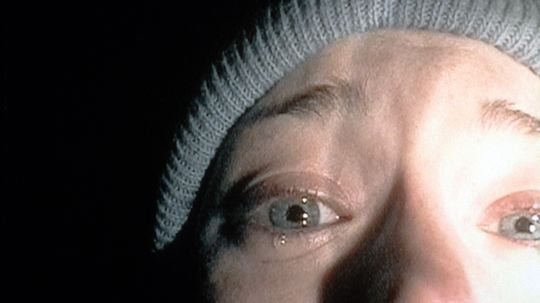
"The Blair Witch Project" fooled movie goers right from the start. But how were we tricked into believing this film was a documentary instead just another thriller?
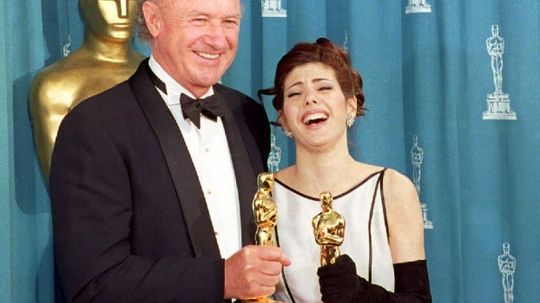
If you were shocked when Marisa Tomei won the Oscar for Best Supporting Actress in 1993 for her role in "My Cousin Vinny" you're not alone. Many people think she wasn't the real winner and it's one of the biggest hoaxes in Oscar history.
Advertisement
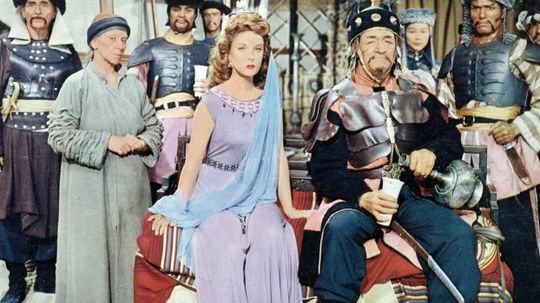
It's obvious today that making a movie near a nuclear test site is a terrible idea. But in 1956, Howard Hughes filmed "The Conqueror," starring John Wayne, less than 150 miles from one. Bad move? You be the judge.

Hollywood's not always known for its historical accuracy, but every once in a while, art and accuracy coexist - and the results can be incredibly moving.
By Jane McGrath
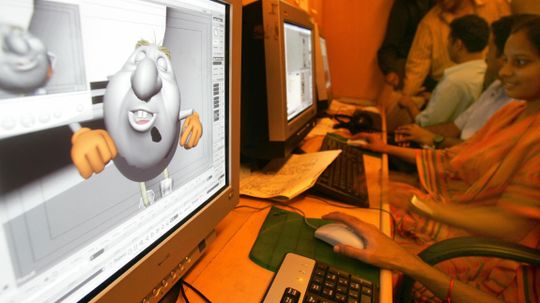
Computer animation is commonplace now, so much so that you may think human animators are a thing of the past. But rest assured, there are artists behind every cartoon pixel.
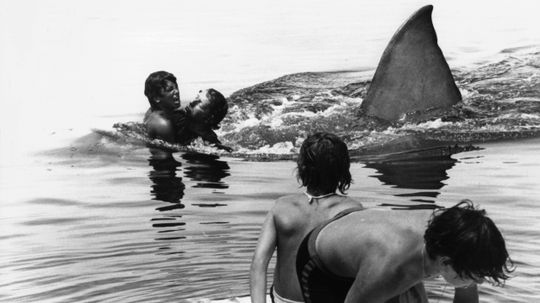
Admit it: You think of "Jaws" when you go to the beach and "The Blair Witch Project" when you wander a little too far into the woods. These horror films didn't just change behavior; they revamped the genre.
Advertisement
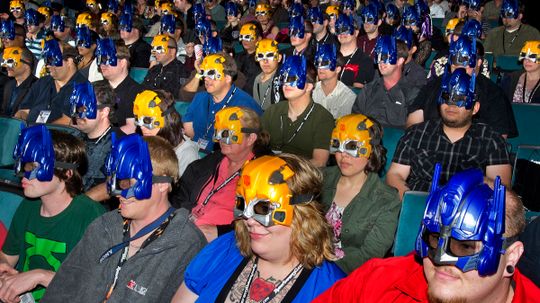
Perception is everything in Hollywood, which is why the industry keeps such tight control over box office numbers. But what do those numbers really mean, and what's the point of inflating them?

The cost of permits to shoot in most public places can wreak serious havoc on independent filmmakers' budgets. That's why they often resort to guerilla tactics for their movies. How do they get away with it?
By Alia Hoyt
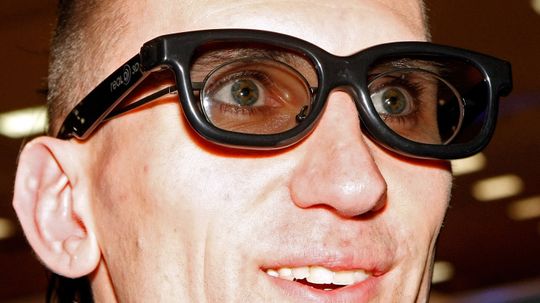
Movies shown in 3-D can be polarizing - no pun intended. Some movie buffs embrace the third dimension, while others find it hard to watch. How does the RealD system optimize the experience?
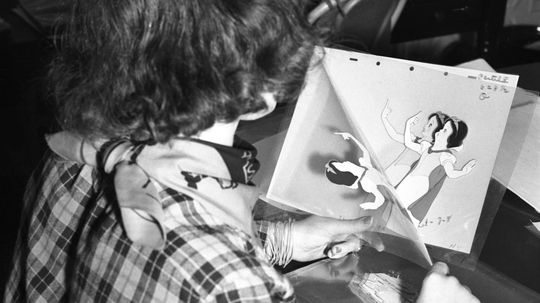
If you loved the glowing lightsabers in the original "Star Wars" trilogy, you can thank rotoscoping. Who invented this technology, and is it still useful?
Advertisement
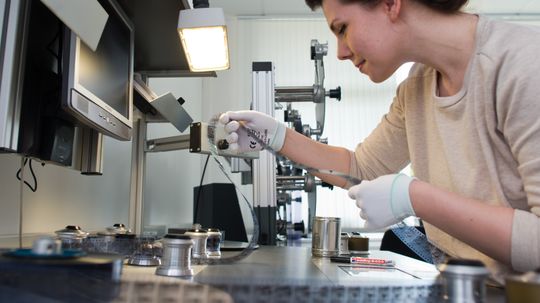
Film doesn't last forever - particularly if it was used before 1950. What causes it to break down, and how do restorers put it back together?
By Chris Opfer
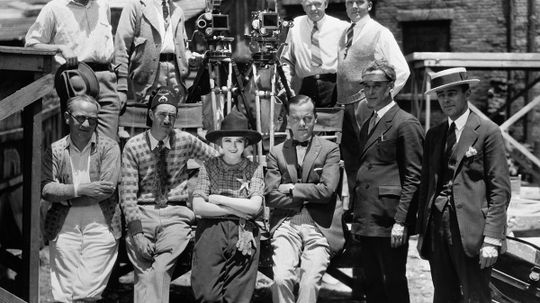
The film industry was revolutionized in the 1920s (hello, sound!), but the changes were not without growing pains. What were the wins and losses that taught us how to make great movies?
By Oisin Curran

When it comes to hiding profits, there's no business like show business. Learn how Hollywood accounting practices ensure that, when it comes to certain films, no one makes much money except the studios themselves.
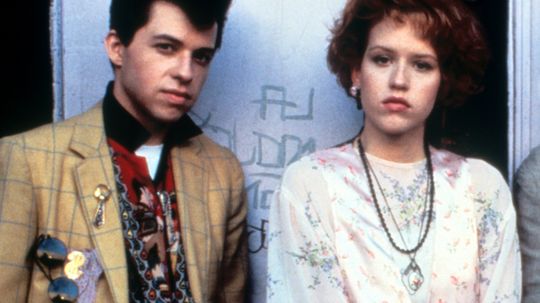
Andie ended up with Duckie in "Pretty in Pink" and Alex committed suicide in "Fatal Attraction." Except that they didn't. These are just two of the many movies where the endings were changed thanks to audience testing.
By Alia Hoyt
Advertisement

"Poltergeist" reigns as the king of supposedly cursed films. How did this classic 1980s horror flick and nine others gain their reputation? Is your favorite on the list?

We take our food seriously. And if we were working a 16-hour day on a movie, we'd want to know exactly where and when we'd find nourishment. So who would we talk to: catering or the craft services folks?
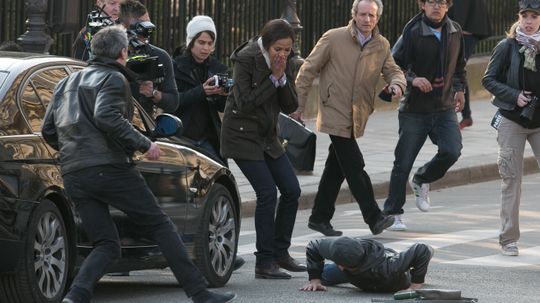
If you live in a town where they shoot a lot of movies, chances are you've seen or read about a street closing due to a film shoot. With all the traffic inconvenience this can cause, how do movie companies get away with it?
Even with 300 people working together on a motion picture, each and every one (understandably) wants credit for their part in the magic. Ranking their work can get a little sticky.
Advertisement
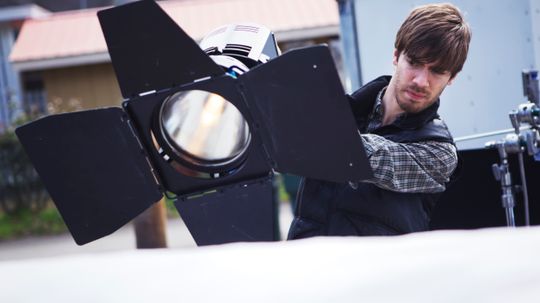
So, who is this best boy whose title we see rolling down the film credits in tiny type? Is he the best-behaved kid on the set? Not a chance! He's not even a boy.
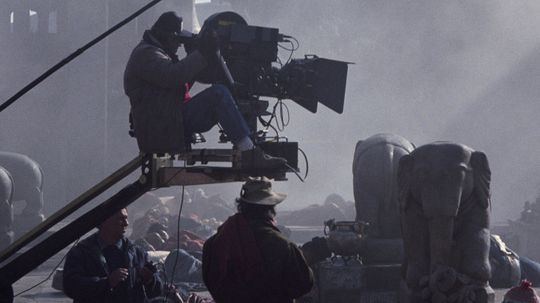
Just in case you think there's a group of folks who get paid to wander movie sets while clutching dolls, let us set you straight. Dolly grip is one of the most demanding film jobs out there.