
Literature
Our Literature Channel explores all kinds of writing, from the classics to the current bestsellers. Check out our literature lists and articles.

7 Types of Art to Find in Museums, on the Street and Beyond
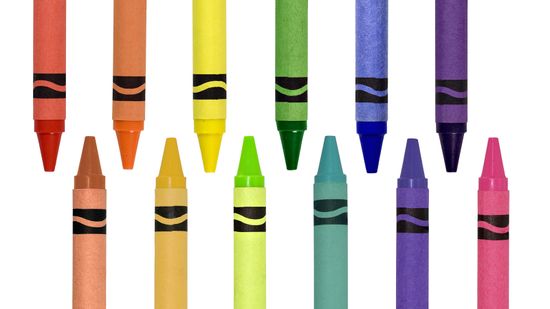
6 Tertiary Colors in Graphic Design, Fashion and Decor

How to Use Neutral Colors for Sophisticated, Understated Looks
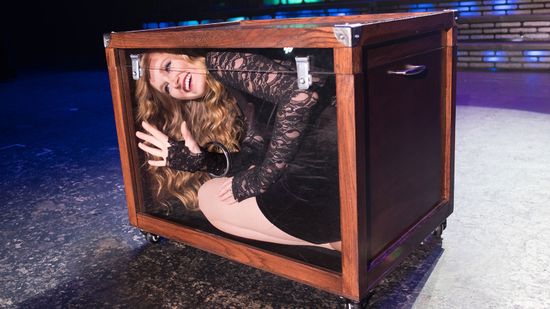
Is the 'Lovely Assistant' the Real Magician?

Dear Tony Robbins, THIS Is How You Walk on Hot Coals
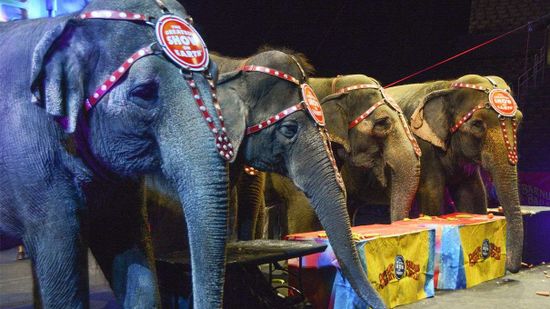
Ringling Bros. Retiring Elephants Early. PETA Still Not Smiling
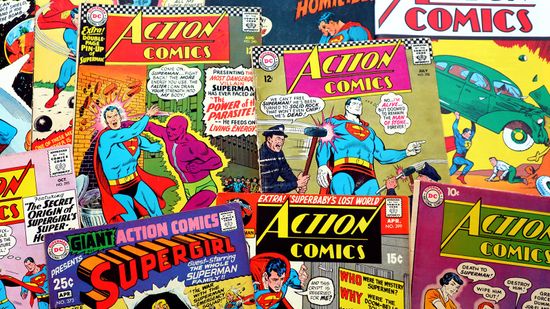
10 Most Powerful DC Characters: A Highly Subjective List
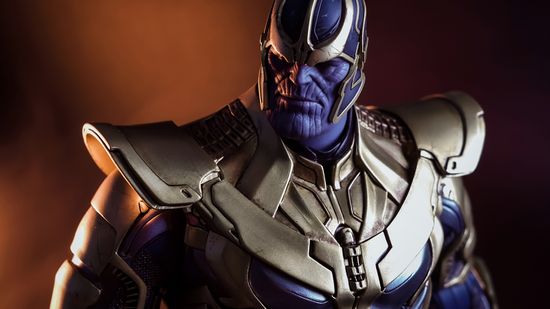
The Most Powerful Marvel Character: 15 Strong Contenders
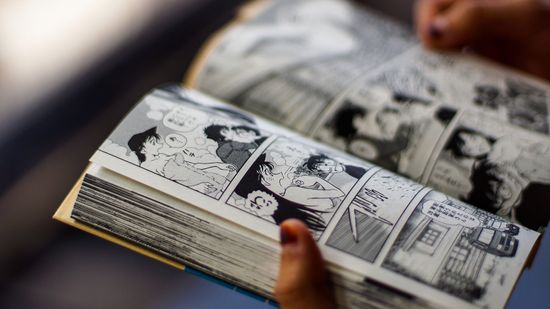
7 Manga Websites With Quality Options (Both Free and Paid)
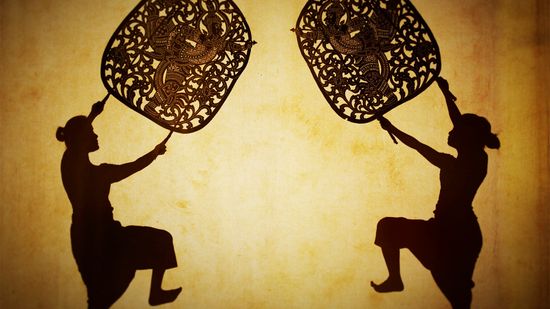
The Magical Art of Cambodian Shadow Puppetry Has Entertained for Centuries
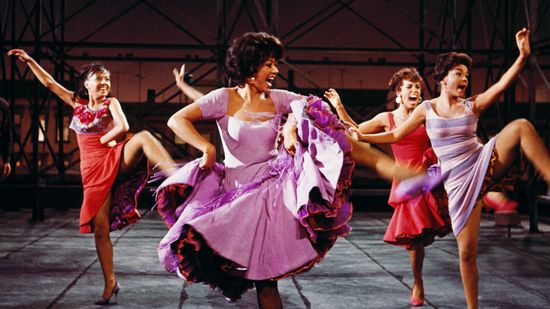
10 Groundbreaking Broadway Musicals
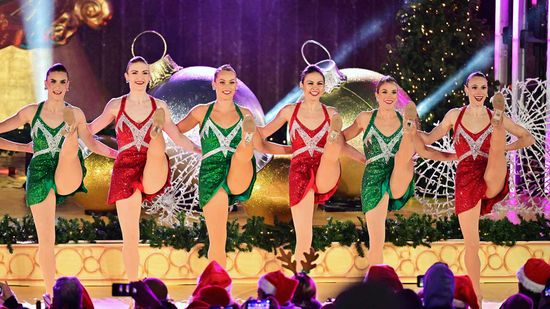
A High-stepping History of the Rockettes
Learn More
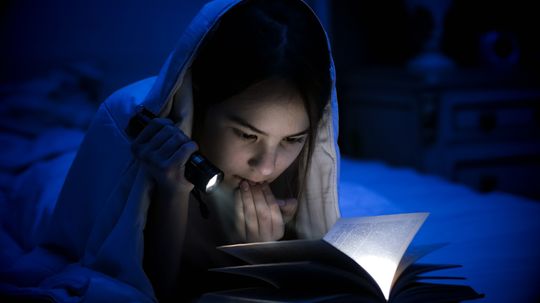
Some horror stories are too terrifying to stay on the page. The scariest books of all time don’t just frighten readers—they unsettle, disturb, and haunt long after the final word.
By Isla Brevant

Conflict makes stories go. Without it, there’s no tension, no stakes, and definitely no reason to turn the page.
By Isla Brevant

Let's be honest: You googled "what is personification" and landed on this page. Whether you're asking because of a homework prompt or out of bibliophilic curiosity, you've come to the right place.
By Ada Tseng
Advertisement

Have you ever wondered why an author's writing can sometimes feel as cold as ice or as warm as a sunny day? It's all comes down to tone. Whether the writing is stark and emotionless or deeply felt and intimate, tone words help decode the author's intent.
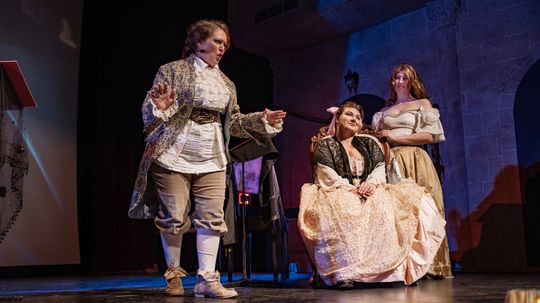
Verbal irony is a clever twist of language that keeps conversations interesting and adds humor by contrasting what is said with what is meant.

Irony is one of those things that everybody seems know about but few seem able to precisely define. To make matters more complicated still, there are different kinds of irony (cosmic irony, dramatic irony, verbal irony and so forth).
By Zach Taras
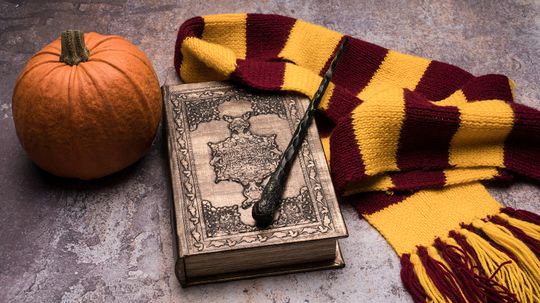
Something that makes the "Harry Potter" books fun to read for adults - not just kids - is author J. K. Rowling's use of wordplay. Names are often literary references or jokes, and many of the "Harry Potter" spells provide a clear hint at their function for anyone familiar with Latin or Greek.
By Sascha Bos
Advertisement
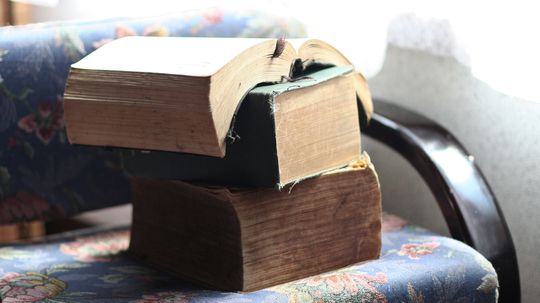
The longest book in the world can be determined by word count, page number, or character count (letters, not personalities).
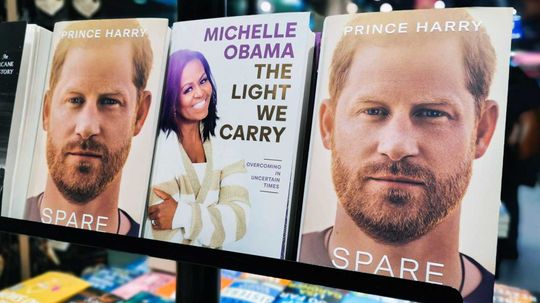
When a book lands on The New York Times Best Sellers list, it's a boon for the author and publisher. But does that really mean it's a best seller?
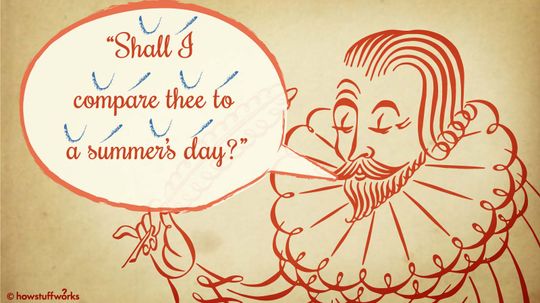
Both William Shakespeare and Geoffrey Chaucer are known for using iambic pentameter in their famed works of literature. But what is iambic pentameter and how can you spot it?
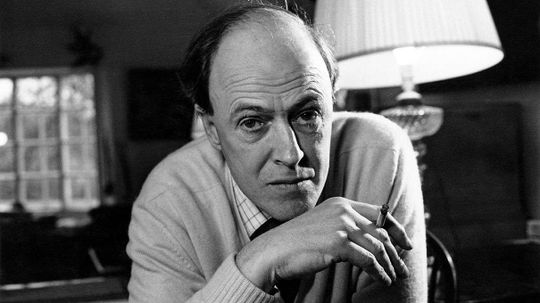
The author of many beloved children's classics, Roald Dahl was also a World War II flying ace and a spy. And his books are being altered to remove potentially offensive words and phrases. Learn more about this controversial figure.
By Kate Morgan
Advertisement
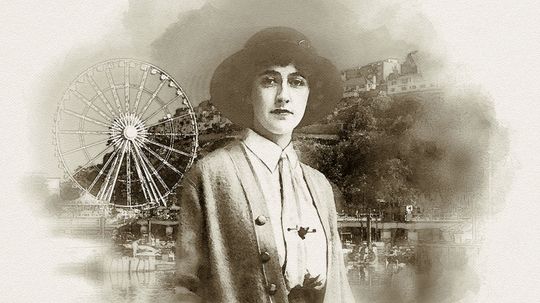
In 1926, famed crime novelist Agatha Christie went missing for 11 days under very strange circumstances. Even today, questions linger about why she did it and a recent biography has a new explanation.
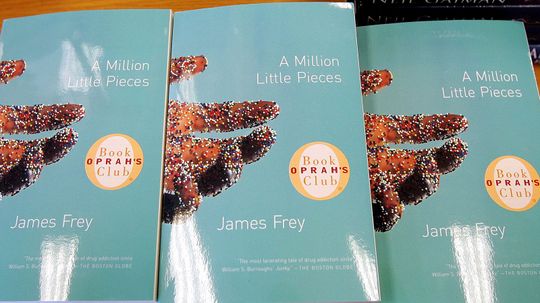
The stories these memoirs told were gripping, shocking - and ultimately untrue. Were you taken in by any of these literary hoaxes?
By Dave Roos
It's not an easy question to answer but we've made an educated guess.
By Talon Homer
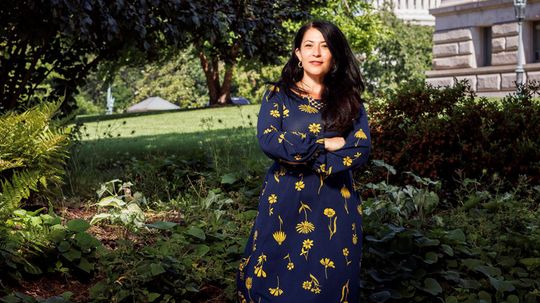
The most recent U.S. poet laureate, Joy Harjo, was the first Native American to fill the role and she passed the baton to Limón in July 2022.
By Amy Cannon
Advertisement
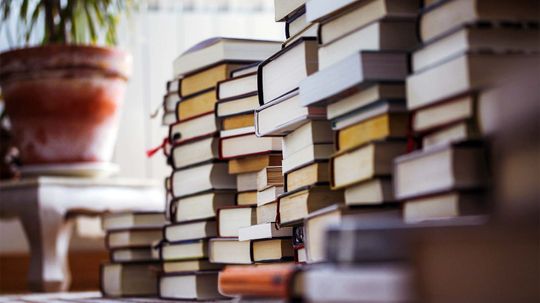
Guilty of buying books you never have time to read? We get it. And there's a name for that.
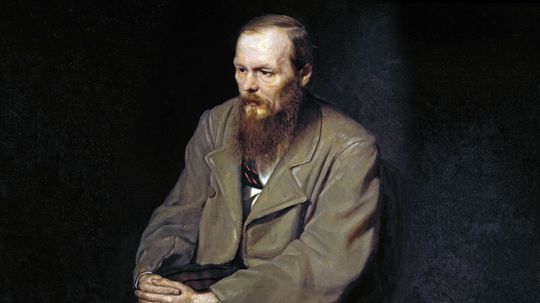
Dostoevsky created some of the greatest novels ever written, full of psychological and religious insight. Here are five quotes that will stay with you, even if you've never finished one of his books.
By Dave Roos

Some books come out hot right out of the gate with iconic openers. How many of these literary works can you correctly guess based only on the opening line?
By Alia Hoyt
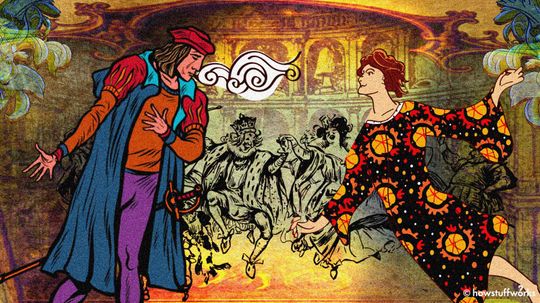
Flyting, which was essentially a verbal contest of poetic abuse, was public entertainment in the 15th and 16th centuries. Think of it as the rap battle of medieval times.
Advertisement
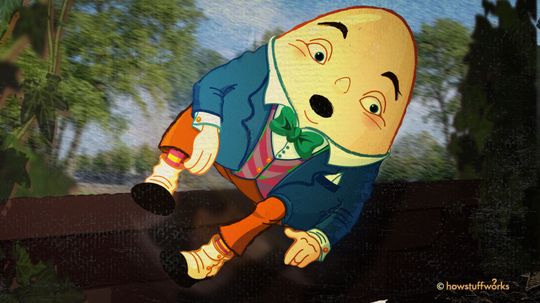
And why couldn't all the king's horses and all the king's men put him back together again?
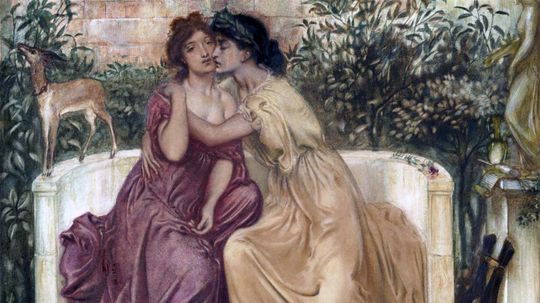
We have just a fraction of Sappho's works, but what we have reveal her personal voice in Greek lyric poetry. Just who was this woman that so inspired even Plato?
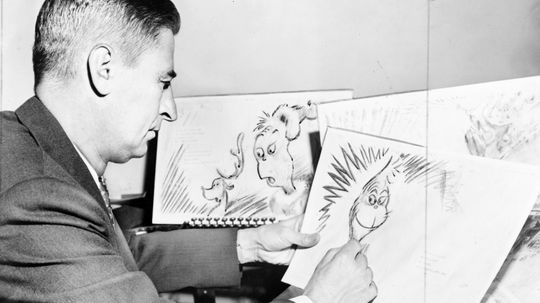
Dr. Seuss didn't live atop Mount Crumpit. He didn't have a loyal pup named Max outfitted with reindeer antlers. But there were some similarities between Seuss and his famous green miser.
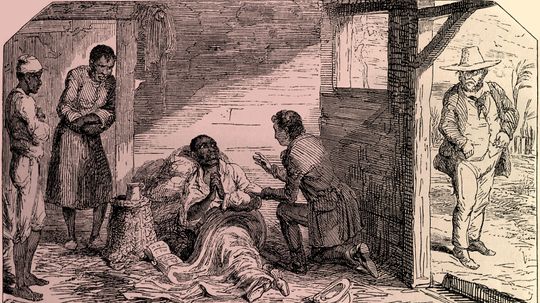
'Uncle Tom's Cabin' was a wildly popular 19th-century novel about a heroic enslaved man in the American South. But along the way, 'Uncle Tom' became shorthand for a Black man who's subservient to whites. What caused the switch?
By Dave Roos
Advertisement
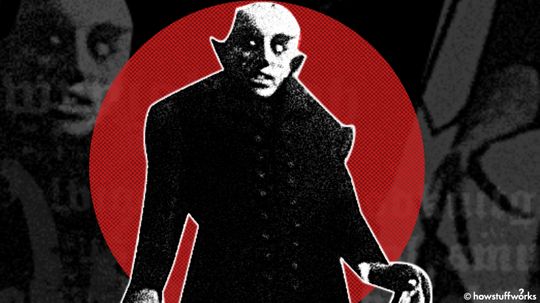
Popularized in the 1897 novel "Dracula" by Bram Stoker, and the film "Nosferatu" in 1922, the word "nosferatu" is largely considered to be an archaic Romanian word, synonymous with "vampire," though the true origin story is long and complicated.
By Mark Mancini
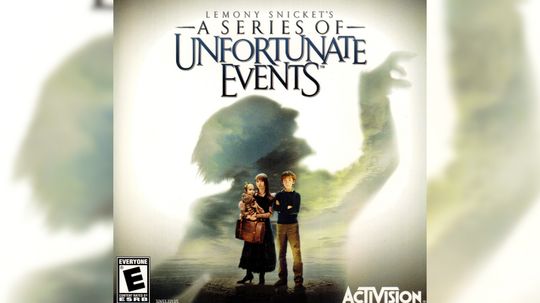
In 'A Series of Unfortunate Events,' noted for its dark humor and sarcastic storytelling, narrator Lemony Snicket recounts the calamitous lives of the Baudelaire children, who are orphaned after a mysterious house fire.