
Arts
Arts give us a way to explore our lives and the lives of others, whether it's on canvas, on-stage or on a page.

7 Types of Art to Find in Museums, on the Street and Beyond
6 Tertiary Colors in Graphic Design, Fashion and Decor

How to Use Neutral Colors for Sophisticated, Understated Looks
Is the 'Lovely Assistant' the Real Magician?

Dear Tony Robbins, THIS Is How You Walk on Hot Coals

Ringling Bros. Retiring Elephants Early. PETA Still Not Smiling
10 Most Powerful DC Characters: A Highly Subjective List
The Most Powerful Marvel Character: 15 Strong Contenders
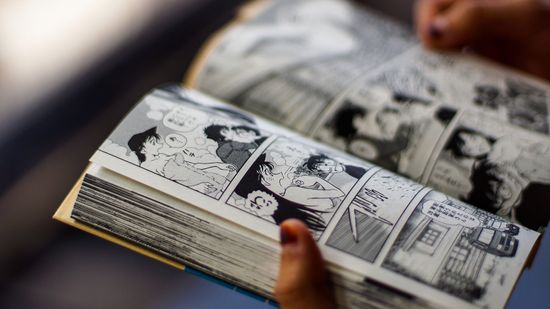
7 Manga Websites With Quality Options (Both Free and Paid)
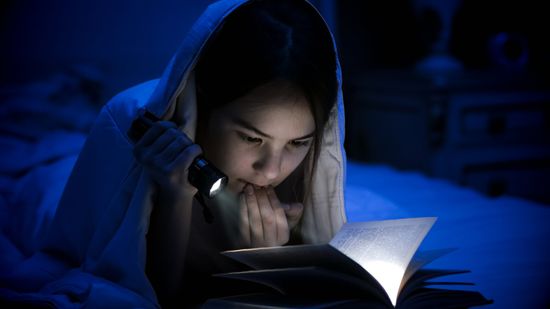
The Scariest Books of All Time Prey on Your Insecurities

5 Types of Conflict That Make Things Interesting (For Better or Worse)

What Is Personification? All About a Common Literary Device
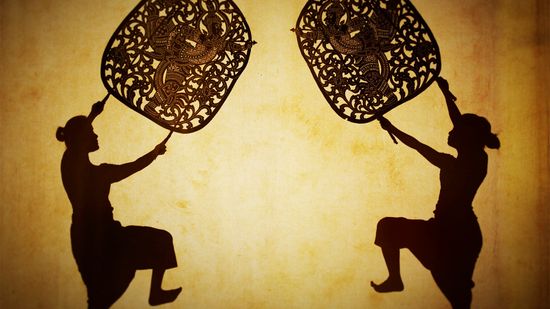
The Magical Art of Cambodian Shadow Puppetry Has Entertained for Centuries
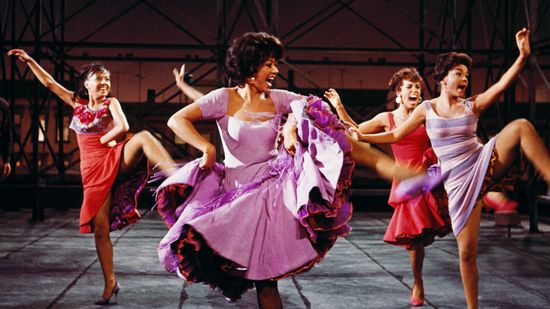
10 Groundbreaking Broadway Musicals
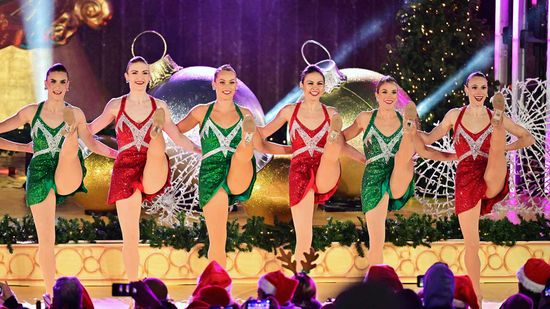
A High-stepping History of the Rockettes
Learn More
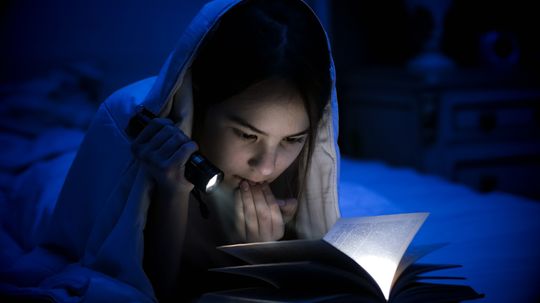
Some horror stories are too terrifying to stay on the page. The scariest books of all time don’t just frighten readers—they unsettle, disturb, and haunt long after the final word.
By Isla Brevant
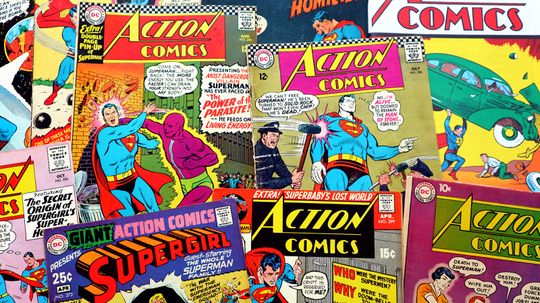
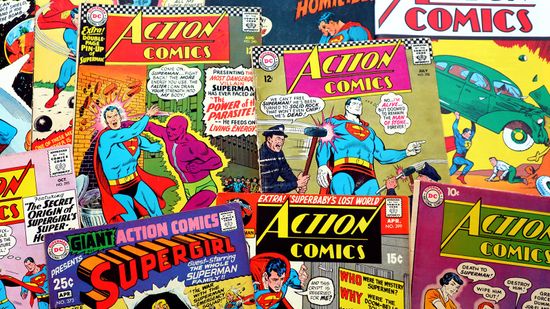
The DC Universe is packed with cosmic forces, godlike heroes, and villains capable of reshaping reality. From the early days of Action Comics to the sprawling multiverses of Dark Crisis and Infinite Earths, the most powerful DC characters have pushed the boundaries of sheer power.
By Isla Brevant
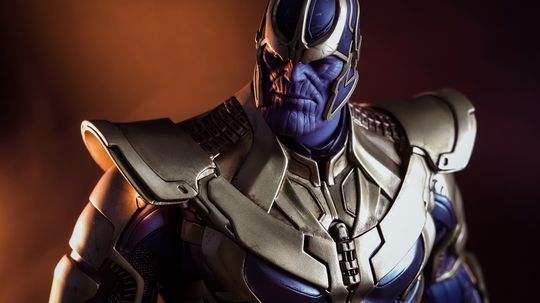
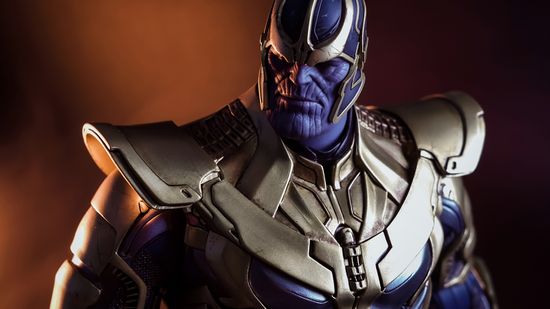
In the Marvel Universe, not all heroes are created equal. Some can bench-press tanks. Others can bend reality.
By Isla Brevant
Advertisement

Conflict makes stories go. Without it, there’s no tension, no stakes, and definitely no reason to turn the page.
By Isla Brevant

Walk into a museum, sit down to watch "The Nutcracker," glance at a graffiti wall or flip through a graphic novel, and you'll witness the world's many different types of art.
By Isla Brevant
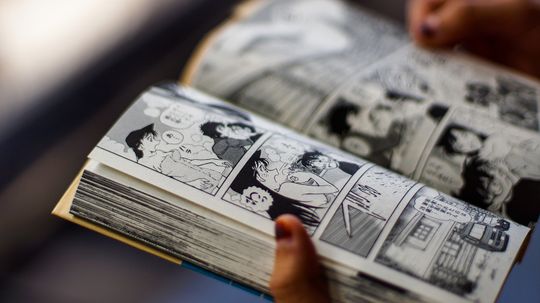
Manga, the Japanese form of illustrated narratives, is thriving as a medium and a business. With the advent of the internet, it's become increasingly easy to consume manga online, instead of purchasing (or borrowing) the physical editions of the work.
By Zach Taras
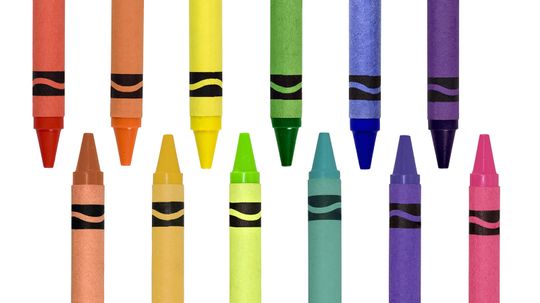
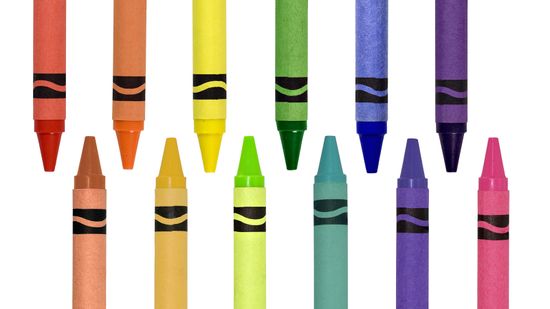
Tertiary colors are where the magic of color mixing truly shines. These hues are the bridge between primary and secondary colors, creating a dynamic and vibrant spectrum.
By Talon Homer
Advertisement

You know what's great about neutral colors? They complement everything. Sure, neutral colors might not scream for attention like neon colors, but they're the backbone of design and style.
By Ada Tseng
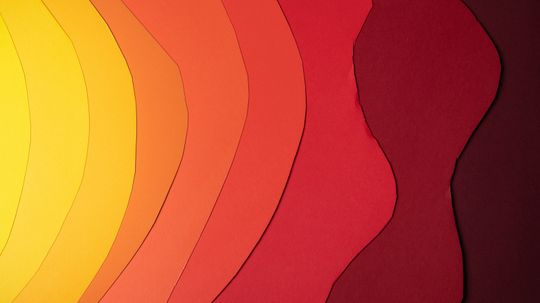
Warm colors — including reds, oranges and yellows — evoke feelings of energy, passion and warmth. Warm and cool colors play off each other, with warm tones taking center stage when you want to create a lively, inviting atmosphere.
By Talon Homer
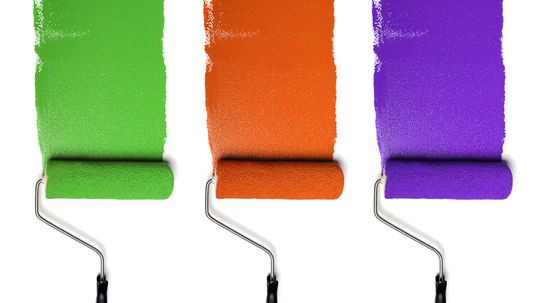
Secondary colors are the superstars that shine when any two of the three primary colors — red, blue and yellow — team up. The results are orange, green and purple. Think of them as the second level of the color wheel. In art class or any creative field, these hues are essential for building a full spectrum of colors.
By Talon Homer
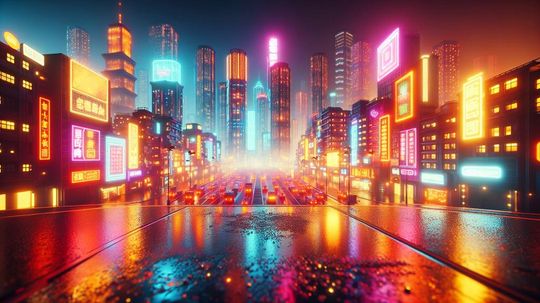
Neon colors, also sometimes referred to as fluorescent colors, are the rock stars of the visible spectrum — bold, electric and impossible to ignore.
By Talon Homer
Advertisement
On the color wheel, analogous colors are neighbors, sitting right next to each other. Think of red and orange, yellow and green, or blue and purple.
By Ada Tseng

Split complementary colors are the perfect mix of contrast and harmony, offering a dynamic twist on the classic complementary color scheme.
Muted colors are the quiet heroes of the color world. These hues aren't as vivid or bold as saturated colors, but their subtle beauty lies in their ability to create a calming effect.

Complementary colors live on opposite sides of the color wheel. Imagine red and green, blue and orange, or yellow and purple. Or move a half step over on the wheel, and combine a yellow-green color with a red-violet color.
By Ada Tseng
Advertisement

Let's be honest: You googled "what is personification" and landed on this page. Whether you're asking because of a homework prompt or out of bibliophilic curiosity, you've come to the right place.
By Ada Tseng

Have you ever wondered why an author's writing can sometimes feel as cold as ice or as warm as a sunny day? It's all comes down to tone. Whether the writing is stark and emotionless or deeply felt and intimate, tone words help decode the author's intent.

Verbal irony is a clever twist of language that keeps conversations interesting and adds humor by contrasting what is said with what is meant.

Irony is one of those things that everybody seems know about but few seem able to precisely define. To make matters more complicated still, there are different kinds of irony (cosmic irony, dramatic irony, verbal irony and so forth).
By Zach Taras
Advertisement
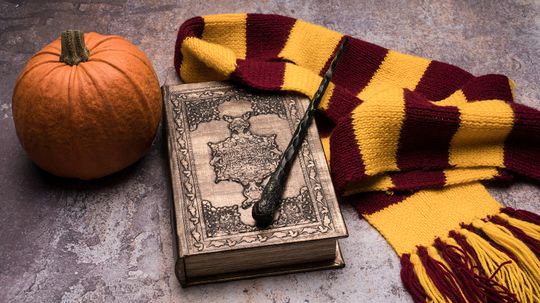
Something that makes the "Harry Potter" books fun to read for adults - not just kids - is author J. K. Rowling's use of wordplay. Names are often literary references or jokes, and many of the "Harry Potter" spells provide a clear hint at their function for anyone familiar with Latin or Greek.
By Sascha Bos

The longest book in the world can be determined by word count, page number, or character count (letters, not personalities).
Looking for a special trick to understanding what colors make brown? HowStuffWorks breaks down color combinations to help you get the perfect shade of brown.
By Yara Simón
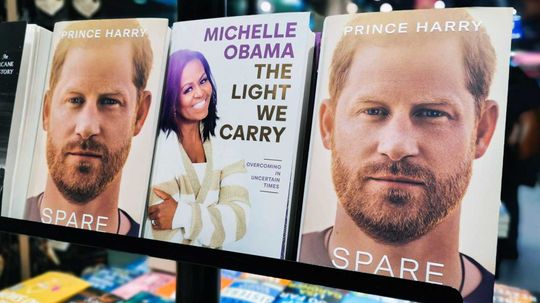
When a book lands on The New York Times Best Sellers list, it's a boon for the author and publisher. But does that really mean it's a best seller?
Advertisement
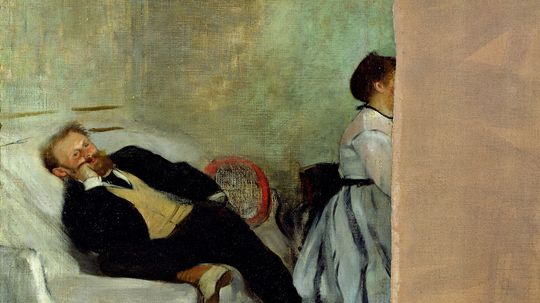
Grudge matches can be found in every corner of the world, including the art world. Here are five rivalries that continued for years, involving famous painters like Van Gogh, Gaugin, Degas, Picasso and Banksy.
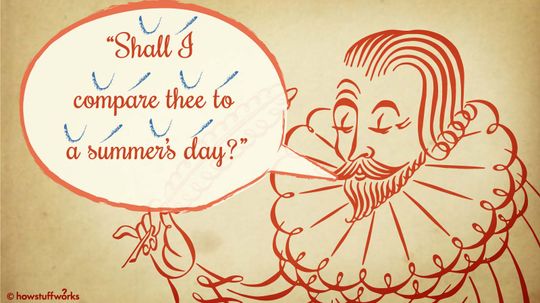
Both William Shakespeare and Geoffrey Chaucer are known for using iambic pentameter in their famed works of literature. But what is iambic pentameter and how can you spot it?