15 Highest-Valued NFL Teams (Post-Super Bowl LX)

By: Isla Brevant  | 
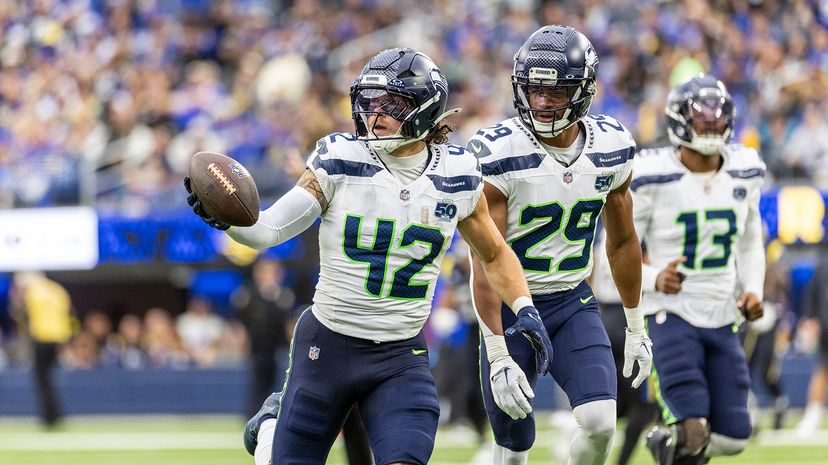
The Seattle Seahawks went into Super Bowl LX as heavy favorites, but are they worth the most money after the big game? Ringo Chiu / Shutterstock

Let's be clear about something from the get-go: These are the highest-valued NFL teams by franchise valuation, not by touchdowns

This listicle covers the NFL (National Football League) franchise valuations most often attributed to the Forbes list, plus the business forces behind those numbers: national revenue, local revenue, sponsorship, stadium deals, and debt.

Advertisement

Think of it like this: Each NFL team is a little city-state. The owner runs the economics, the stadium is the factory, and fans are the steady stream of people trading time and attention for experiences.

1. Dallas Cowboys

The Dallas Cowboys top the list again. Cowboys fans know the vibe: The brand is the world’s loudest megaphone.

That matters because value is not only based on winning. It is based on revenue, sponsorship, and the ability to sell premium experiences at a stadium that basically prints cash.

Advertisement

Dallas also benefits from national attention that keeps demand high, even when the previous year did not end with a trophy.

2. Los Angeles Rams

The Los Angeles Rams sit near the top as one of the most valuable NFL franchises because Los Angeles is a gigantic market and the stadium is built for high-end spending.

The Rams are a classic valuable team case: modern venue, premium seating, and a brand that can double as an entertainment product. Stadium debt can still matter here because big builds create long repayment schedules, and interest costs follow the franchise for a long time.

Advertisement

3. New York Giants

The New York Giants rank high because New York is a powerhouse market and the brand is old-school durable. They show how a name can live in public conversation across decades.

Advertisement

4. New England Patriots

The New England Patriots remain near the top tier because the brand equity was retained through years of visibility.

The Patriots turn sustained attention (like the record for the most Super Bowl appearances) into cash flow that lifts valuations year after year.

Advertisement

5. San Francisco 49ers

The San Francisco 49ers stay high because the region has deep corporate pockets and a stadium setup that supports premium pricing.

Shared national revenue gives every team a baseline. The 49ers grow beyond that baseline with local partnerships, suites, and a steady stream of sponsorship money.

Advertisement

6. Philadelphia Eagles

The Philadelphia Eagles show how intensity can be an economic engine.

A fan base that buys, travels, and watches creates a lot of numbers for advertisers. That helps revenue and makes the franchise a valuable brand even when the standings swing.

Advertisement

7. Chicago Bears

Historic clubs work like legacy products; people keep buying the story. The Chicago Bears ride a historic identity that keeps demand sticky.

A stadium plan can move the figure fast, and so can taxes and public financing debates that shape long-term stadium costs.

Advertisement

8. New York Jets

The Jets benefit from the same market physics as the Giants.

In a two-teams city, you might expect the dollars to split cleanly. In reality, the market can be so large that both teams remain highly valued, and both pull serious sponsorship interest.

Advertisement

9. Las Vegas Raiders

The Raiders show how location can be a business advantage, even for a below-average NFL team. (The Raiders were among the worst teams in the NFL in the 2025-2026 season.)

Las Vegas turns home games into travel events. That boosts premium sales and helps the franchise sell an experience, not only a game.

Advertisement

10. Washington Commanders

Washington stays high because the market is strong and the brand still pulls attention.

Ownership stability matters. A new owner can change strategy, change partnerships, and change the team’s place on the list. That is why front-office action can move value before the team starts winning more.

11. Miami Dolphins

Miami brings event energy, destination appeal, and sponsorship upside.

Warm weather markets can pull tourism dollars. That supports premium seating and creates more inventory for partners who want global reach.

12. Houston Texans

Houston shows how a newer franchise can still become valuable fast. A modern stadium setup can drive revenue growth, which matters in a pretty big way.

Analysts also track debt because borrowing changes cash flow, and cash flow shapes what buyers are willing to pay.

13. Denver Broncos

The Broncos are a steady-growth business in a loyal region, which is where economics looks boring in the best way. Reliable demand supports pricing power, and pricing power supports valuations.

14. Seattle Seahawks

Seattle has a wealthy corporate base and strong demand. That combination attracts sponsorship and helps keep revenue stable.

Stable revenue makes the franchise easier to value because the numbers look less risky to a buyer.

15. Green Bay Packers

Green Bay is the outlier because of its public ownership structure.

You cannot buy the Packers (or even a controlling stake in the Packers) like most teams. That does not stop Forbes or other valuation outlets from estimating the worth, but it does change how a sell scenario would work in the real world.

A few terms that help decode the Forbes list on any page where valuations get discussed, including on ESPN coverage.

  • Valuations: Estimates of team value as enterprise value (equity plus net debt)
  • Revenue: Money from media deals, tickets, sponsorship, concessions, and more
  • Debt: Borrowed money that can reduce cash available even when the headline value rises
  • Stadium debt: Venue-related borrowing that can weigh on finances for years
  • Amortization: Spreading big costs across time, often tied to stadium financing and contracts
  • Depreciation: Accounting that reduces the book value of certain assets over time

When you compare the previous year or last year lists, the top teams often lead again. That's because the biggest brands keep compounding advantages: market size, sponsor demand, and national media reach.

That's also why the NFL tends to dominate valuable sports conversations versus other leagues. The league’s media machine creates a huge baseline, and the best franchises stack local power on top of it.

For a reality check at the other end of the list, the Cincinnati Bengals often show up near the bottom of recent Forbes-style rankings. That does not mean the Bengals are small; it means the NFL is enormous.

If you are reading this content in an e-mail from a friend, the takeaway is simple: The teams that topped the valuation list did it by winning the attention economy, not necessarily by winning games.

We created this article in conjunction with AI technology, then made sure it was fact-checked and edited by a HowStuffWorks editor.

Advertisement

Loading...