90s Music Genres That Set the Stage for the New Millennium

By: Isla Brevant  | 
90s music
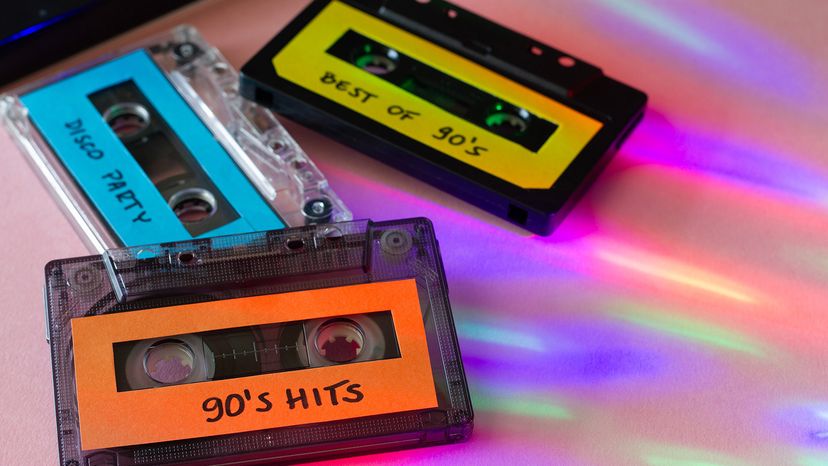
What was on your tape deck, alternative music? Your favorite grunge band? udra11 / Shutterstock

The 1990s were an explosion of sound and style. Genres collided, splintered, and redefined themselves, giving rise to new sounds that reshaped the music industry.

Whether you were into punk rock, electronic beats, or smooth R&B, 90s music had a genre that spoke your language. Here are the genres that defined the decade.

Advertisement
1. Grunge

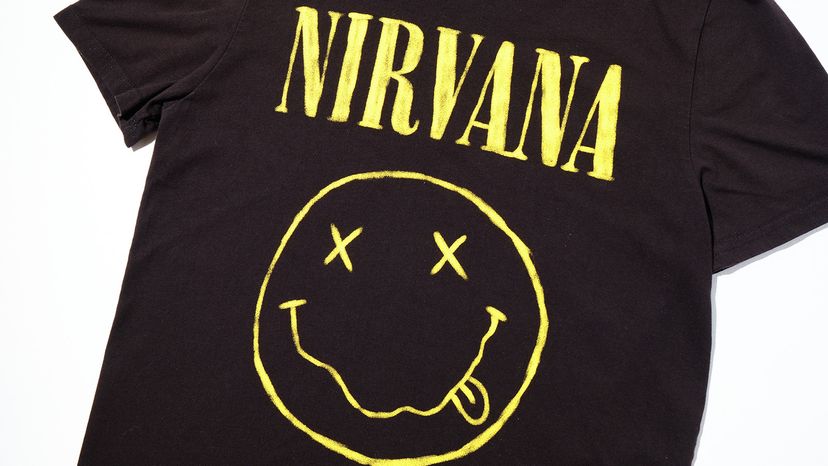
Nirvana
Nirvana shirt. seeshooteatrepeat / Shutterstock

Born in the rainy garages of Seattle, grunge combined punk rock rawness with heavy metal distortion. Bands like Nirvana and Pearl Jam became household names. Soundgarden and Alice in Chains added grit to the scene, while flannel shirts and angst became a fashion statement.

Advertisement

2. Hip-hop

Hip hop dancers
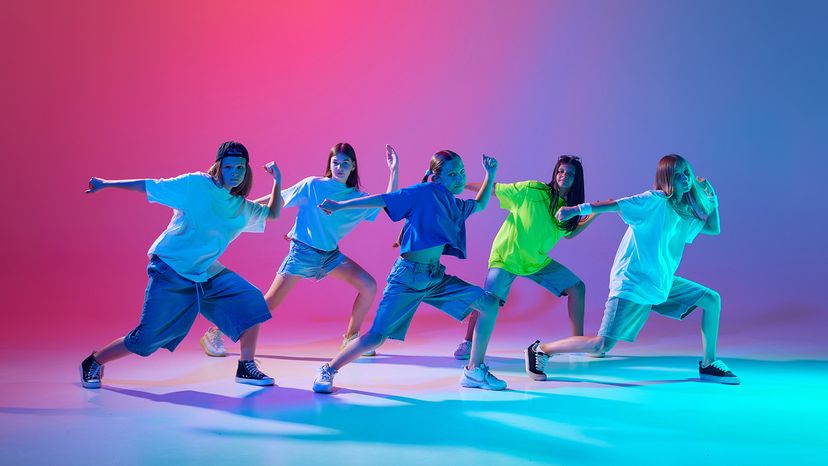
Hip-hop dancers. Master1305 / Shutterstock

Hip-hop matured in the 90s. East Coast acts like Mobb Deep and Puff Daddy clashed with West Coast titans like Snoop Dogg and Dr. Dre. The era also saw the rise of conscious rap and new jack swing, while artists like Missy Elliott and Faith Evans blurred the boundaries between hip-hop and R&B.

Advertisement

3. Pop Music

Britney Spears
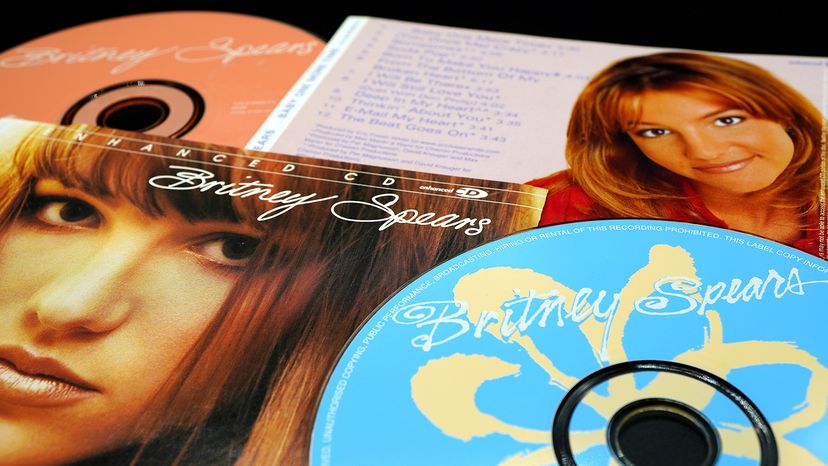
Britney Spears CD. Kraft74 / Shutterstock

The teen pop wave crashed hard in the late 90s. Britney Spears, *NSYNC, and Christina Aguilera turned bubblegum into gold. Earlier in the decade, Celine Dion and Mariah Carey brought powerhouse vocals and sweeping ballads into pop's center stage.

Advertisement

4. Alternative Rock

Alternative Rock
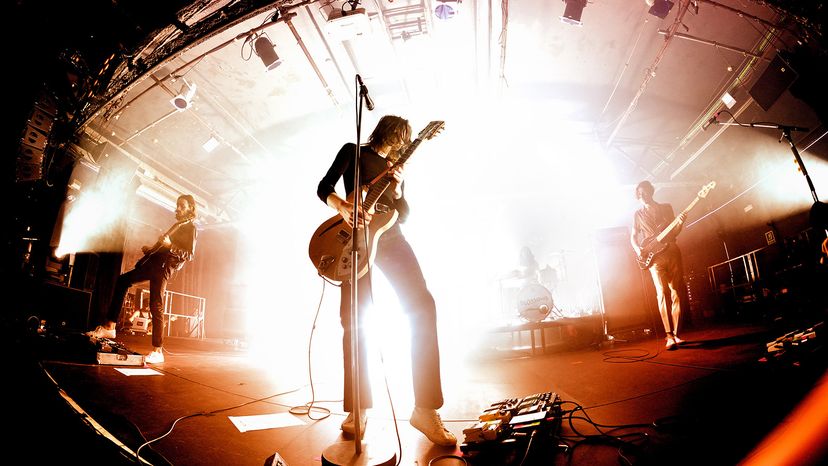
Alternative rock performance. Christian Bertrand / Shutterstock

From college radio to global arenas, indie rock music and alternative rock took off. The Red Hot Chili Peppers mixed funk and rock, while R.E.M. and Radiohead gave the genre a cerebral edge. Bands like Oasis and Blur ignited the Britpop movement.

Advertisement

5. Country Pop

Acoustic guitar
Country music recording. PV productions / Shutterstock

Country music stepped boldly into the mainstream thanks to artists like Shania Twain and Garth Brooks. Their crossover appeal changed what country could sound like, turning the genre into a global force.

Advertisement

6. Electronic Music

Electronic music
Electronic music artist. Lomb / Shutterstock

The rise of electronic music brought new energy to dance floors. The UK rave scene gave us Underworld's "Born Slippy," while Daft Punk and The Prodigy introduced electronic styles to MTV audiences. It was the soundtrack to late-night warehouse parties and underground clubs.

Advertisement

7. R&B and Soul

TLC
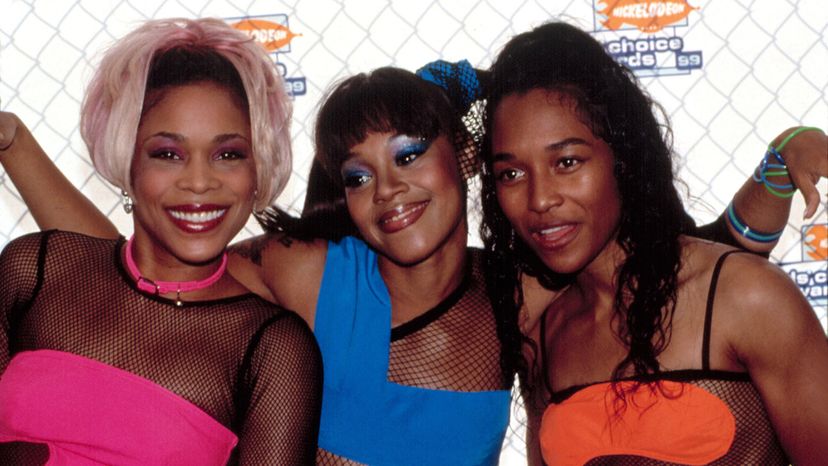
R&B band TLC. Everett Collection / Shutterstock

Smooth and sultry, 90s R&B dominated radio with artists like TLC, Boyz II Men, and Aaliyah. It was an era of vocal runs, doo wop inspiration, and soul-infused slow jams that defined romantic soundtracks.

Advertisement

8. Latin Pop

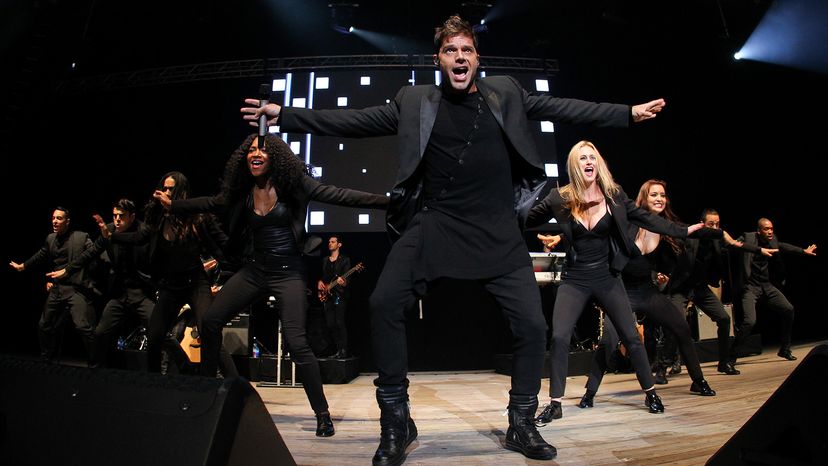
Ricky Martin performs
Ricky Martin. Debby Wong / Shutterstock

Latin music broke into the English-speaking market in a big way. Ricky Martin, Jennifer Lopez, and Selena blended Latin rhythms with pop in songs that ruled the airwaves.

Advertisement

9. Ska Punk

Ska punk band Samostalni Referenti performing
Ska punk band. Zamrznuti tonovi / Shutterstock

Ska saw a punk-fueled revival thanks to bands like No Doubt and Reel Big Fish. With brass sections and mosh pits, the genre mixed upbeat chaos with real musical chops.

Advertisement

10. J-Pop and International Sounds

Global music gained a foothold in the 90s. J-Pop acts like Hikaru Utada began drawing global attention, while world music compilations introduced Western audiences to new voices and styles from across the planet.

We created this article in conjunction with AI technology, then made sure it was fact-checked and edited by a HowStuffWorks editor.

Advertisement

Loading...