
90s Grunge: A Brief History of an Underground Scene That Went Global

By: Isla Brevant  | 
Grunge shows were gritty, grimy, and exactly what concert-goers craved in the 90s. Jena Ardell / Getty Images

The 90s grunge explosion shook up music, fashion, and culture in ways no one saw coming.

Born from the rain-soaked streets of Seattle, the genre blended the raw aggression of punk rock with the weight of heavy metal, giving rise to a sludgy, distorted sound and an aesthetic that rejected glamor.

Advertisement
The Seattle Scene's Sound Takes Over

Grunge began in the Seattle music scene, where bands like Nirvana, Soundgarden, Alice in Chains, and Pearl Jam formed the core of a growing underground movement.

Record label Sub Pop played a key role in launching early careers, backing raw recordings with a sometimes sludgy sound that captured youth disillusionment and rebellion.

Advertisement

Seattle's gray skies and working-class roots helped shape both the sound and the attitude of these bands.

It wasn’t just music. It was a rejection of overproduced pop and flashy hair metal.

Advertisement

Breakthrough Into the Mainstream

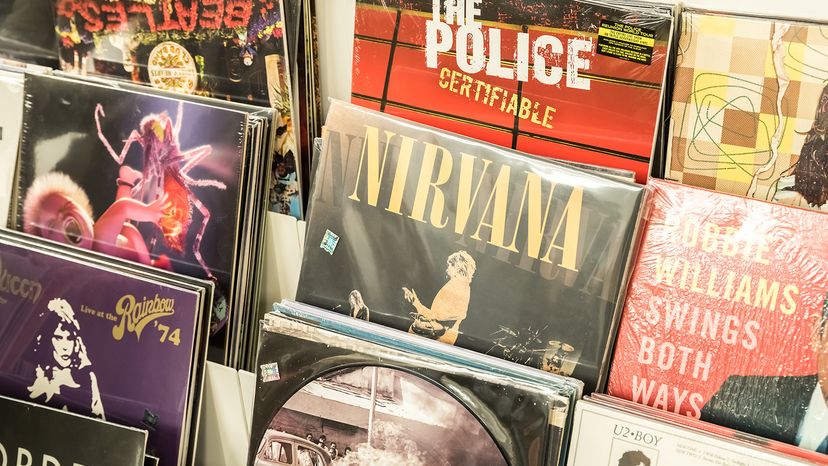
Vinyl records
So much of the grunge "look" stemmed from Nirvana, Pearl Jam, and other Seattle-based bands. Radu Bercan / Shutterstock

Nirvana’s "Nevermind" changed everything. With "Smells Like Teen Spirit" in heavy rotation on MTV, grunge became a global phenomenon. Kurt Cobain's unapologetic angst resonated far beyond Washington state.

Meanwhile, debut albums from Stone Temple Pilots and Screaming Trees pushed grunge into new sonic territory. Even as the scene grew crowded, fans clung to its gritty authenticity.

Advertisement

Defining the Grunge Sound

Grunge music thrives on contrast. Dirty guitar tones meet melodic hooks. Lyrics touch on alienation, apathy, and personal turmoil. It’s vulnerable, angry, and oddly catchy.

Songs like "Black Hole Sun" by Soundgarden and "Interstate Love Song" by Stone Temple Pilots merged metal riffs with classic rock songwriting. Influences ranged from Black Sabbath to Sonic Youth, shaping a genre that refused to be boxed in.

Advertisement

From Thrift Stores to High Fashion

Young woman shopping in a thrift store
Oversized flannel was a key element of grunge fashion. Olena Malik / Getty Images

Grunge wasn’t just heard; it was worn. Ripped jeans, combat boots, oversized flannel shirts: The look was born out of necessity and thrift-store practicality.

Ironically, this anti-fashion movement caught the attention of high-end designers. Marc Jacobs famously introduced grunge to the runway for Perry Ellis, capturing its effortless, disheveled appeal.

Advertisement

Grunge Icons

Grunge much more than Nirvana. Chris Cornell’s soaring vocals imbued Soundgarden’s heavy music with an undeniably emotional intensity. Jerry Cantrell’s riffs powered Alice in Chains. Jeff Ament and the rest of Pearl Jam added depth and conscience to the movement.

These artists shaped the trajectory of alternative rock and left behind a blueprint that bands still follow today. Rolling Stone and other outlets frequently rank grunge albums among the best of the decade.

Advertisement

A Cultural Milestone

Grunge bands didn’t set out to define a generation. They just played what they felt.

But in rejecting mainstream polish, they created a style and sound that millions connected with.

Advertisement

Even now, decades later, the echo of those distorted guitars and torn flannels remains. Grunge style and music evolved. And for many, they still hit home in the rawest, realest way.

We created this article in conjunction with AI technology, then made sure it was fact-checked and edited by a HowStuffWorks editor.

Advertisement

Advertisement

Loading...