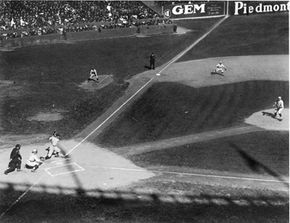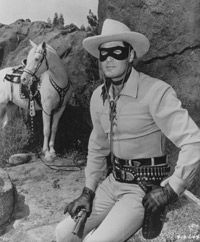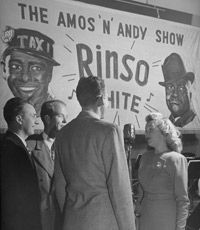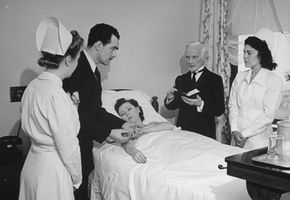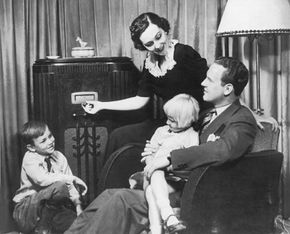
Who doesn't like to get home from a hard day at school or work, grab a snack, put his or her feet up and check blogs, Facebook, YouTube or surf the net in general? Or how about getting caught up on that season of "Lost" you captured on your DVR? Now, imagine what it was like before all of these options were available. How did folks relax when they got home? Well, they used to gather around their televisions and watch whatever the nightly programming was. And before that, kids raced home to their homemade crystal radio sets to tune into episodes of "Sky King" and "Little Orphan Annie" while families gathered around their radios to listen to shows like "The Shadow" and "The Cisco Kid."
Prior to World War I, radio programming consisted mainly of amateurs trying out the new medium. They would read articles aloud from the newspaper, give local weather or farm reports, recite literature and play records. Two of the first noted radio broadcasts of this kind came between 1906 and 1907 when Reginald Fessenden spoke and played records from his transmitter in Massachusetts and Lee de Forest broadcasted phonograph records from a naval ship [source: Reinehr and Swartz]. These types of broadcasts were remarkable because they aimed to provide entertainment and information to a mass audience.
Advertisement
Arguably the first massive media, radio became instrumental in providing information and entertainment in homes across the United States after the World War I. Radio programming grew in popularity through the Depression because it was virtually free and tied listeners around the nation into national events, local news, music and entertainment programs without requiring they spend money on going out. What's now considered the age of golden radio -- the 1920s through the end of the 1950s -- spawned a spate of entertainment shows and genres that still resonate in other mediums today.
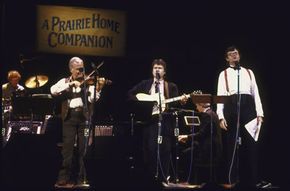
Have you ever wondered what the age of golden radio was like? In this article, we'll learn about early radio programming, unlock the formats of serial drama and comedy, take a peek at how soap operas began and look at similar radio programming that's still popular today.
Advertisement