How Secure is the Tour Industry?
CD sales are sliding, down 25 percent in 2008 from 2000. That has record labels, pop stars and lesser known bands looking to concert tours to augment income.
But higher gas prices and tighter money may get in the way for both bands and fans. Start-up bands forced to fill up low-mileage vans towing equipment need to make enough at a gig to recoup gas costs. And fans with less disposable cash may be reluctant to fork out money for concert tickets, particularly for big-name artists with seats selling for $75 and more.
Even beyond those economic realities, consider that:
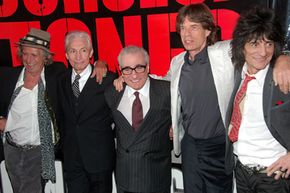
- The big-name stars that bring in the most fans are aging. The Rolling Stones and other heritage acts led the Top 10 grossing tours in 2006 and 2007. Out of the 20 acts, only Justin Timberlake and Christine Aguilera had yet to reach their 30th birthdays.
- The older stars had a large common fan base, coming from Top 40 radio play and promotions and album sales, to fill concert halls. Today's young music enthusiasts have diverse music interests. They get their music from many different sources like cell phones, social networking sites, iTunes and Limewire and often don't even listen to traditional radio.
[sources: Chicago Tribune and The American]
Negotiating a Concert Tour Schedule
Once you've worked out a price, split percentage and other concert details with the concert promoter, you still need to agree on a daily work schedule for your band's concert tour.
Take a careful look at the schedule the tour promoter offers for the music tour. You'll want to make sure that:
- The tour venues follow a geographically logical way instead of resembling a criss-cross, connect-the-dot pattern of overlapping routes
- Enough travel time is built in, allowing for traffic and weather conditions, so that the band has time to set up and do any necessary rehearsing before a concert
- Days off are worked into the schedule to give the band and crew time to recuperate after a number of hard days of concerts and travel.
Keep in mind, too, that concert tours involve a lot more than setting up, rehearsing and playing for an audience. A promoter or record label is likely to want the band to also do local promotions and interviews with media, meet with fans and sign autographs. There may be even more demands on band members' time.
You'll also want to be open to schedule changes. While the beginning of the tour may be thoroughly mapped out, the rest is likely to be more loosely scheduled. If not enough tickets are sold, one or more of the concert venues may drop out and be replaced with a concert in some other location. And if the tour turns out to be really successful, it may even be extended with additional concerts [source: MusicBizAcademy.com].
Make your requests regarding the schedule, but in the words of Mick Jagger, "You can't always get what you want." Concert promoters are in business to make money, after all, and they want to keep a band working, not taking days off.
With schedule set and contract in hand, you're ready to get on the road again. Right? Well, not quite. You'll need a production manager and tour crew to take care of the logistics and set-up the equipment on the road. Keep reading to find out more.