10 Worst Soccer Injuries on Record (Not for the Queasy)

By: Isla Brevant  | 
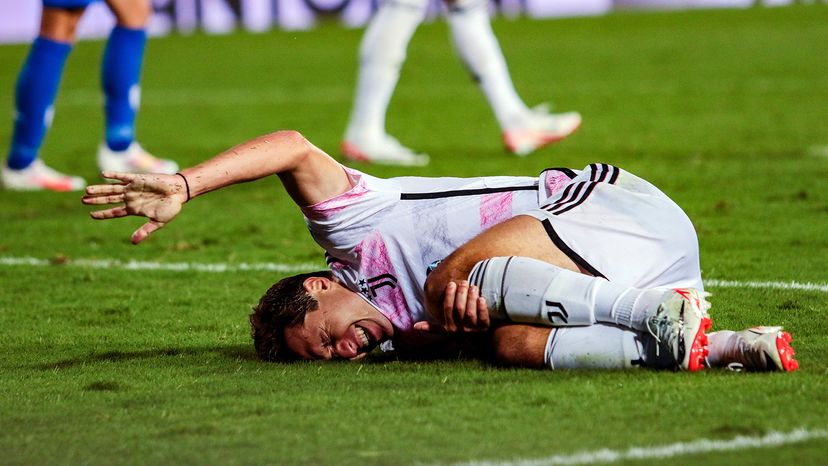
The vicarious pain is real. Raffaele Conti 88 / Shutterstock

Soccer injuries are common in an elite sport built on speed, contact, and split‑second decisions. But a small number of sports injuries stand out for their horrific nature, the intense pain involved, and the way they altered careers in football history.

The worst soccer injuries are ones you should hesitate to find on YouTube. Truly, weak stomachs need not apply.

Advertisement

1. David Busst (1996)

David Busst’s career ended after one of the most horrific injuries ever seen in a top flight game.

A brutal collision during a Premier League game caused a compound fracture of both the tibia and fibula in his right leg. The injury required intense surgery, led to serious complications, and ultimately forced Busst to retire early, ending his Coventry City career.

Advertisement

2. Eduardo da Silva (2008)

Eduardo suffered a shocking leg fracture while playing for Arsenal against Birmingham City.

A reckless challenge by Martin Taylor left Eduardo with a broken leg and dislocated ankle. The incident sparked controversy, sidelined him for nearly a year, and significantly affected his club career despite a later return.

Advertisement

3. Henrik Larsson (1999)

Henrik Larsson suffered a devastating leg break during his career.

This severe break occurred in a UEFA Cup tie, when his studs caught in the turf and caused a horrific leg injury that kept him out for months.

Advertisement

Although he made a remarkable recovery and went on to achieve numerous accolades and league titles, the recovery period was long and painful.

4. Luc Nilis (2000)

Luc Nilis’s career effectively ended after a brutal collision with Ipswich goalkeeper Richard Wright.

The collision resulted in a compound fracture of Nilis’s right leg, and the injury ultimately led Nilis to retire soon after. His international and club career never recovered from the initial fallout.

Advertisement

5. Djibril Cissé (2004)

Djibril Cissé suffered a shocking leg fracture while playing in a Premier League match against Blackburn Rovers.

He suffered fractures to his left tibia and fibula, which required immediate surgery. Cissé later returned to football, but the injury affected his previous form and overall trajectory.

Advertisement

6. Francesco Totti (2006)

Francesco Totti sustained a severe ankle injury in early 2006.

A mistimed tackle resulted in a fractured left fibula and strained ankle ligaments just four months before the World Cup. His recovery process was closely followed, and he returned in time to help Italy win the tournament.

Advertisement

7. Alan Smith (2006)

Alan Smith broke his leg and dislocated his ankle attempting to block a free kick.

The injury was not caused by a tackle but by the force of the ball itself. Smith underwent intense surgery and required a long rehabilitation to return to the pitch.

Advertisement

8. Luke Shaw (2015)

Luke Shaw suffered a double leg fracture during a Champions League match.

The collision caused both bones in his leg to break, requiring immediate surgery. Although his career continued, the injury disrupted his development and required a lengthy recovery process.

Advertisement

9. Marco van Basten (1987–1993)

Marco van Basten’s career was ended by repeated ankle injuries.

Chronic cartilage tears and ongoing pain meant that surgery after surgery failed to restore full fitness. Despite achieving numerous accolades, his elite status was cut short.

Advertisement

10. Ronaldo Nazário (1999–2000)

Ronaldo suffered catastrophic knee injuries early in his career.

A ruptured kneecap tendon required multiple surgeries and a long rehabilitation. His return and later success made his comeback one of the most remarkable recovery stories in soccer.

Why These Injuries Matter

The worst soccer injuries reshape careers and safety standards. They influence sports medicine, injury prevention, strength training, and the use of protective gear.

From ACL tears to devastating leg breaks, these moments changed how clubs approach conditioning and recovery.

Reducing Risk in a Physical Game

Soccer will always involve risk. Modern training focuses on core muscles, strength training, and injury prevention programs to reduce common soccer injuries like shin splints and knee injuries.

Even so, the game’s intensity means severe injury remains an unavoidable reality.

We created this article in conjunction with AI technology, then made sure it was fact-checked and edited by a HowStuffWorks editor.

Advertisement

Loading...