90s Rappers: 10 of the Scene's Most Influential Artists

By: Isla Brevant  | 
Wu-Tang Clan
The 90s wouldn't have been the same without the Wu-Tang Clan. Christian Bertrand / Shutterstock

The 1990s are widely considered the golden age of hip-hop, when the genre grew from a cultural movement into a global force. These influential 90s rappers not only shaped the sound of rap music but also made waves in politics, pop culture, and beyond.

Advertisement
1. Tupac Shakur

Tupac was more than a rapper. He was a poet, activist and cultural icon. Known for blending introspective tracks like "Dear Mama" with raw social commentary, Tupac's lyrical content tackled racism, poverty and injustice.

His double album "All Eyez on Me" and posthumous album "The Don Killuminati: The Seven Day Theory" solidified his place in rap world history.

Advertisement

2. The Notorious B.I.G.

Also known as Biggie Smalls, The Notorious B.I.G. was the king of East Coast hip-hop. His first album, "Ready to Die," brought critical and commercial success, and his storytelling set the bar for many rappers to come. Tracks like "Juicy" and "Big Poppa" became instant classics.

Advertisement

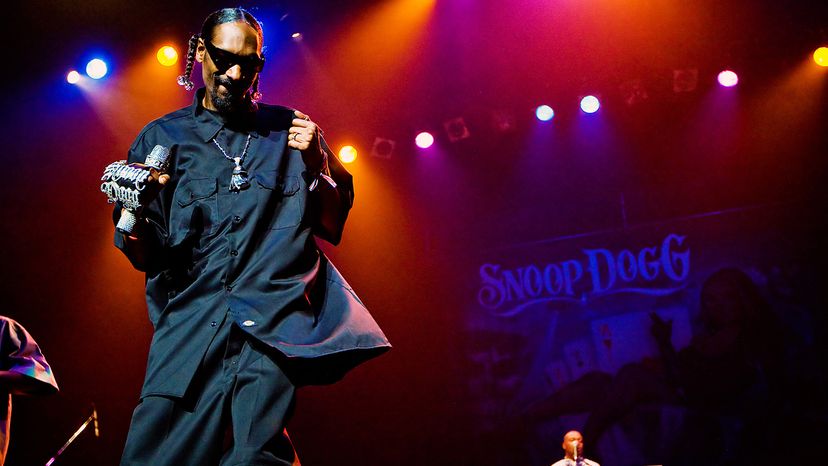
3. Snoop Dogg

Snoop Dogg
Snoop Dogg. MPH Photos / Shutterstock

Discovered by Dr. Dre, Snoop Dogg helped define West Coast gangsta rap with his laid-back flow and unmistakable voice. His debut album "Doggystyle" debuted at No. 1 and turned him into a household name. Snoop's charisma has kept him relevant far beyond the 90s.

Advertisement

4. Jay-Z

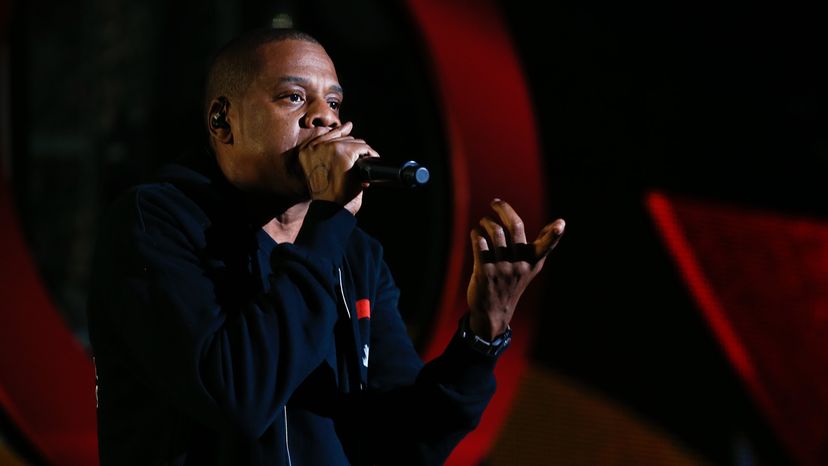
Jay-Z
Jay-Z. Debby Wong / Shutterstock

Jay-Z entered the scene with "Reasonable Doubt" in 1996, an album that slowly gained legendary status.

His blend of hustler realism and sharp lyricism made him one of the best rappers to emerge from the East Coast. He co-founded Roc-A-Fella Records, launching a business empire and reshaping the hip-hop community.

Advertisement

5. Ice Cube

A founding member of N.W.A., Ice Cube went solo with "AmeriKKKa’s Most Wanted," an album packed with political rage and street insight. He balanced mainstream appeal with pointed commentary, helping to define the edge of gangsta rap during the decade.

Advertisement

6. Lauryn Hill

Lauryn Hill was a force in both alternative hip-hop and R&B. As part of the Fugees and then with her solo release "The Miseducation of Lauryn Hill," she created a perfect balance of melody and message. Her Grammy-winning work made her a standout among 90s rappers of any genre.

Advertisement

7. Wu-Tang Clan

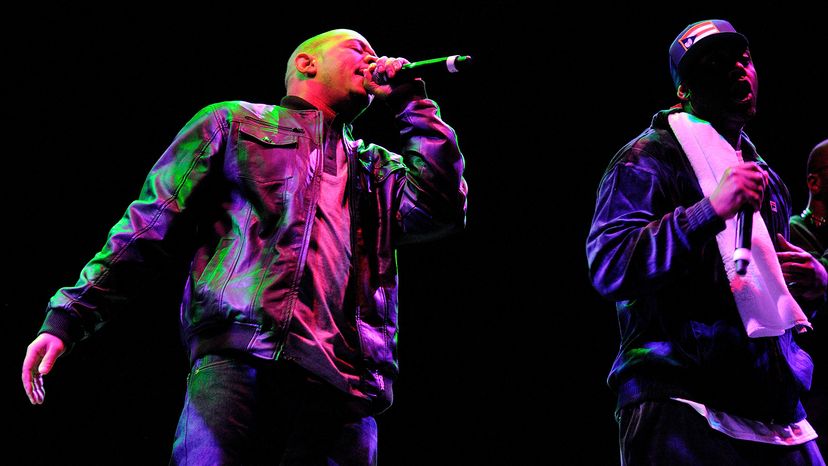
Wu-Tang Clan
Wu-Tang Clan. Christian Bertrand / Shutterstock

This rap group brought a raw, martial-arts-inspired style to the hip-hop landscape. With solo stars like Method Man and Ol' Dirty Bastard, Wu-Tang's debut "Enter the Wu-Tang (36 Chambers)" became one of the most influential hip-hop albums of the decade.

Advertisement

8. LL Cool J

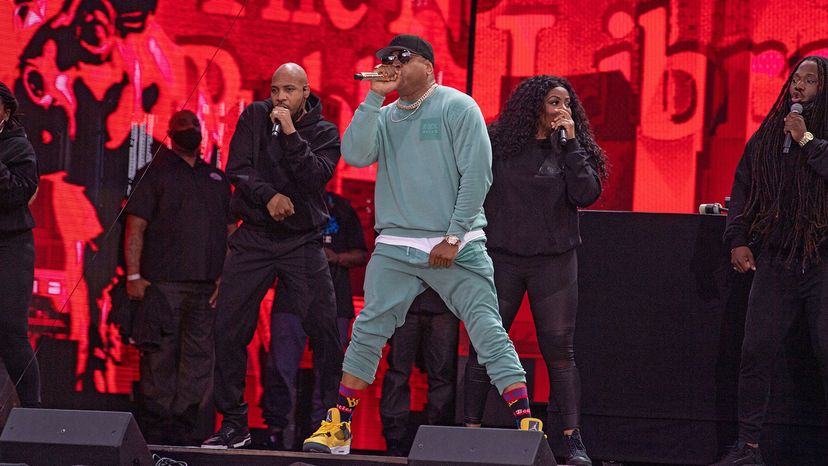
LL Cool J
LL Cool J. Ron Adar / Shutterstock

Though he debuted in the 80s, LL Cool J remained a powerful force in the 90s, evolving from brash b-boy to romantic hitmaker and pop culture staple. His versatility helped bridge rap into the mainstream and influenced the genre's commercial appeal.

Advertisement

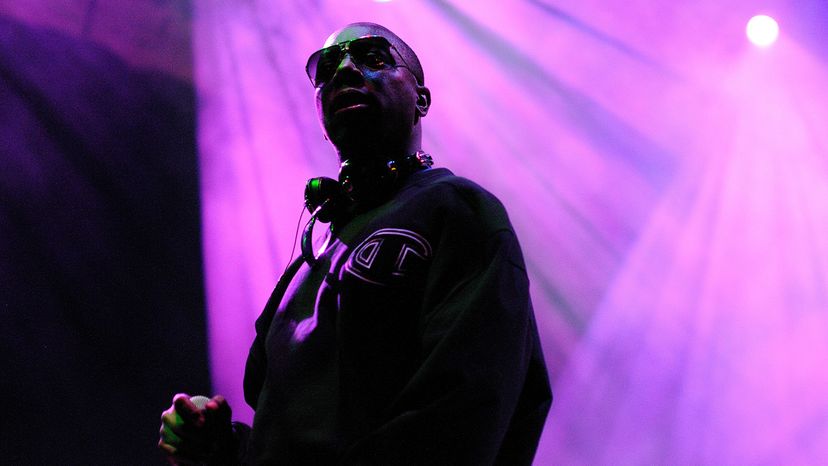
9. A Tribe Called Quest

With their jazz-influenced beats and introspective lyrics, A Tribe Called Quest helped pioneer alternative hip-hop. Albums like "The Low End Theory" and "Midnight Marauders" are essentials in any 90s collection. Q-Tip and Phife Dawg elevated the genre without abandoning its roots.

Advertisement

10. Nas

Nas dropped "Illmatic" in 1994, often cited as one of the greatest rap albums of all time. His vivid storytelling, smooth flow and poetic style earned immediate acclaim. Though the album didn't bring huge commercial success at first, it later defined the golden era of hip-hop music.

We created this article in conjunction with AI technology, then made sure it was fact-checked and edited by a HowStuffWorks editor.

Advertisement

Loading...