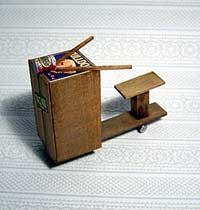
As far as sports go, skateboarding isn't very old, but nobody knows exactly when the first skateboard was invented. We do know that skateboarding has its roots in surfing. Surfers called it "sidewalk surfing," but no self-respected surfer took it seriously. They skateboarded to improve their technique, especially when the waves weren't good. As a result, all skateboarding moves mimicked riding waves.
In recent decades, skateboarding was associated with the punk rock scene of the late 1970s and early 1980s. Skateboarders came to be known as radical individuals -- a rebellious youth subculture with a death wish. Skateboarders were stereotyped as criminals, known for destroying property and despising authority. But not all skaters fit the old stereotype, and in many ways this persona is only a caricature. Today's skateboarders aren't associated with any one style of music or clothing (or with crime, for that matter). And not all of them are young anymore. Long-time professionals, like Tony Hawk, Rodney Mullen and Steve Caballero, have skated well into their 30s and 40s.
Advertisement
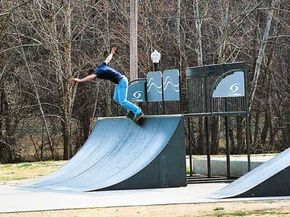
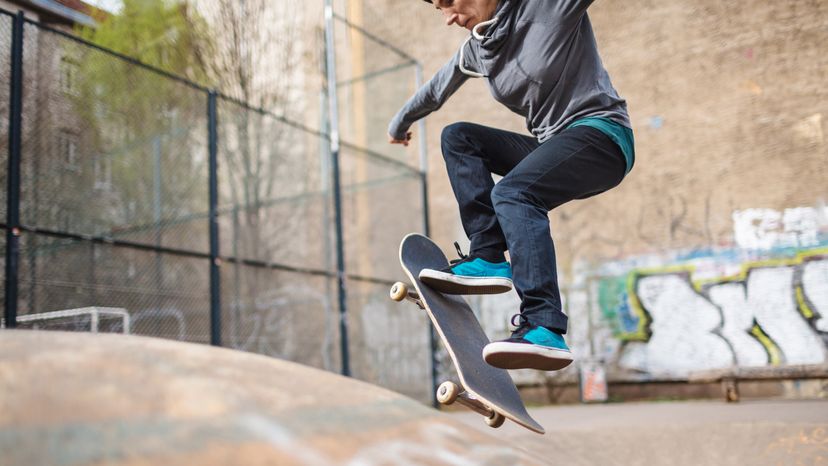
Simply put, "skateboarding" means riding on a wooden board with four wheels fastened to the bottom, propelled forward by the push of one's own foot or at the force of gravity on a slope. But skateboarding, transcends mere movement. Today's skateboarders take the simple action of riding a skateboard and turn it into both a sport and an art form. And despite its allure and the undoubted athleticism required to perform skateboarding tricks, the sport has fallen in and out of favor with the public and been driven underground several times.
If you’re into skateboarding and other board sports, check out the sandboarding article, video and images at Discovery’s Fearless Planet to learn more.
In this article, we'll take a look at the different types of skateboarding, how skateboards are made and the fundamental tricks that make it possible for hundreds of exciting, logic-defying combinations. We'll also take a look at the history of skateboarding. First, we'll start with the skateboard itself.
Advertisement