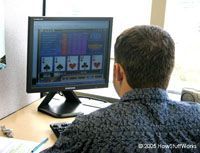
Online gambling differs from in-person casino gambling in a few obvious ways. There is little to no interaction between the players and the dealer. In fact, there is no dealer -- all the games are operated by computer programs. People who have experienced both kinds of gaming say online games like poker or blackjack usually go faster than their real-life counterparts because there's no conversation between players to slow things down.
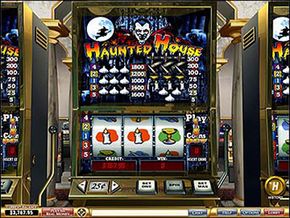
Online casinos can offer dozens of different games. One site has slot machine games based on licensed comic book characters, while others have computerized versions of more traditional casino games. Most games are dressed up with fancy graphics and sound effects, much like real slot machines. Players can check the rules of each game and view a chart that shows payouts with the click of a button.
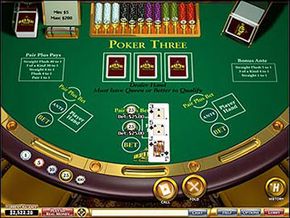
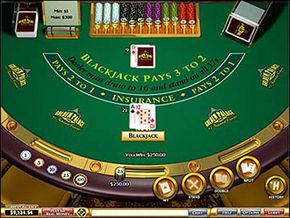
A brief survey of one top casino site shows more than 60 games, including blackjack, baccarat, craps, various versions of roulette, at least two dozen slot games, keno, and several video poker games. The specific rules of the games reflect their real-life counterparts. In video poker or blackjack, players make decisions about the cards that can affect the outcome of the game.
There are also sites that offer online sports betting, which is another form of gambling. These sites allow users to place bets on athletic competitions of every kind, as well as other events like political races or the outcomes of reality TV shows. The sites offer their own odds, which in some cases are better than the odds offered by the traditional Las Vegas bookmakers (due, in part, to the lower overhead required to run an online betting site). Many online casinos offer "instant play" versions of their games, which usually run within a Web browser using Java. Players can also download the casino's software and play the games in a separate application. Some sites only offer a download-to-play option. Players can try out the games for free using a play account filled with a few thousand dollars. Of course, these games don't pay out any real money.
There is a difference in the odds between the "play for fun" version and the real money versions of online games. Although it can't be confirmed, trying out the "play for fun" versions at several online casinos often results in hefty imaginary bank accounts. If the real money games also paid off that big, the casinos would quickly go bankrupt. Success in the "play for fun" games doesn't equal sucess when real money is on the line.
Next, we'll find out if gambling online is legal.