Up Next |
Long before digital effects appeared, animatronics was making cinematic history. Who can forget the scare of the Great White coming out of the water in "Jaws"? Or the tender otherworldliness of "E.T."? Through the precision, ingenuity and dedication of their creators, animatronic creatures often seem as real to us as their flesh-and-blood counterparts.
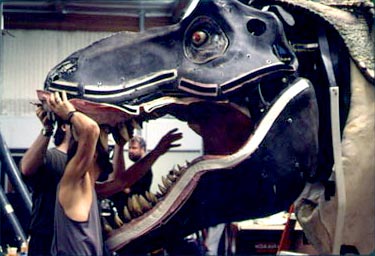
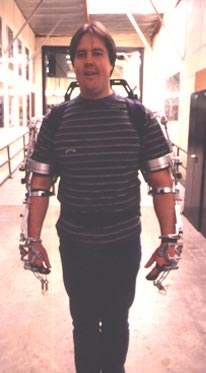
What exactly is an animatronic device? Basically, an animatronic device is a mechanized puppet. It may be preprogrammed or remotely controlled. The device may only perform a limited range of movements or it may be incredibly versatile.
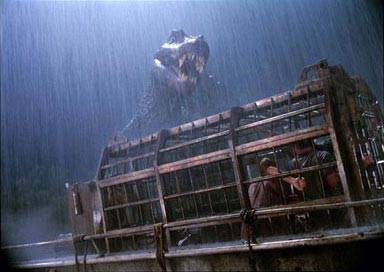
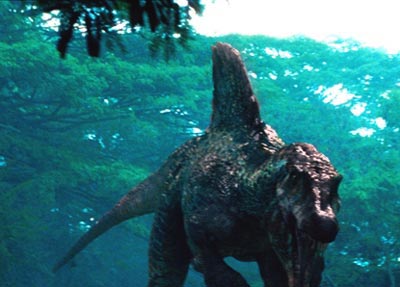
 Photo courtesy Universal Studios The Spinosaurus in action. See more animatronics pictures. |
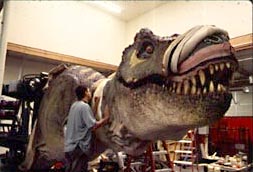
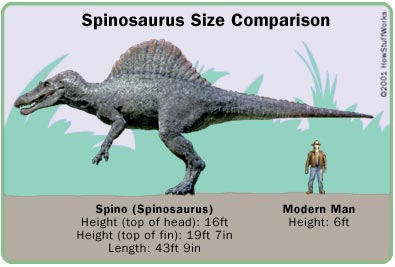
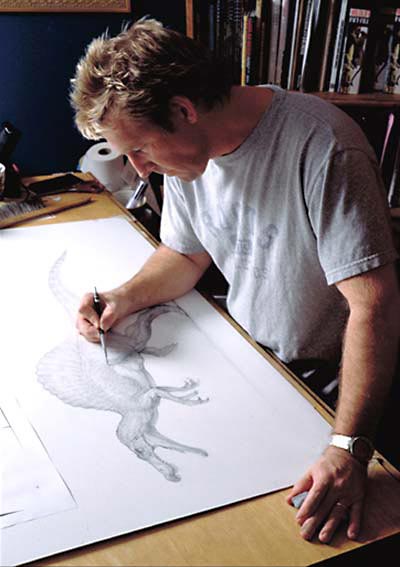
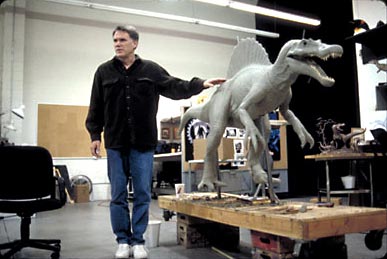
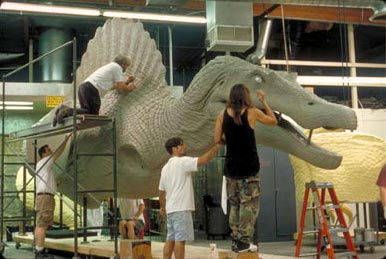
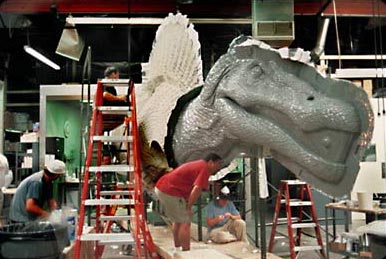
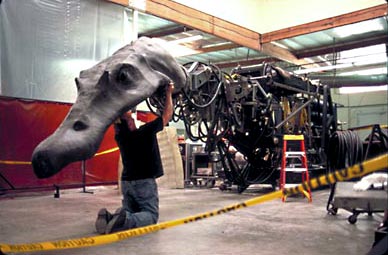
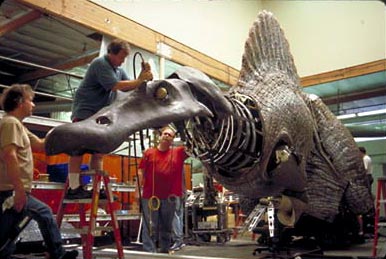
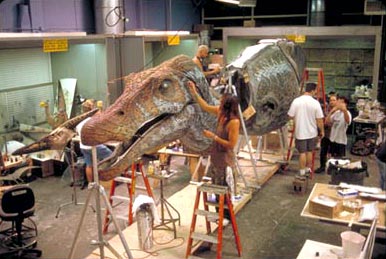
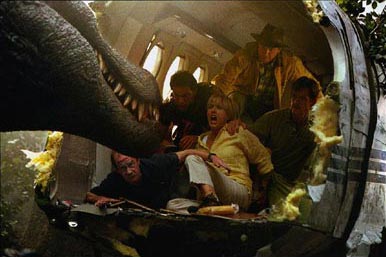
In this article, we will focus on Spinosaurus, an animatronic dinosaur created for "Jurassic Park III" by Stan Winston Studio (SWS). You will learn how SWS worked with Universal Studios and the film's production team to develop the Spinosaurus design. We'll also discuss the amazing process that creates and controls a huge animatronic dinosaur like this one!
Special thanks to Stan Winston, John Rosengrant, Stiles White and the rest of the folks at Stan Winston Studio, and Brett Levisohn at Universal Studios for their assistance in creating this article. Look for the Spinosaurus in the movie "Jurassic Park III" from Universal. Logo courtesy Universal Studios |
Advertisement